Independent. Human-Curated. Established 2007.
Abandoned Places In The World (2026)
DirJournal Contributing Author. Editorial-team verified.
Key Topics in This Guide
- 1What's Changed Since This List Was First Published — covered in detail below
- 2Why People Abandon Places — covered in detail below
- 3The Appeal of the World's Abandoned Places — covered in detail below
- 4Gunkanjima, Japan — covered in detail below
- 5Quick Facts: Gunkanjima — covered in detail below
- 6Pripyat, Ukraine — covered in detail below
- 7Quick Facts: Pripyat — covered in detail below
- 8Kadykchan, Russia — covered in detail below
- 9Quick Facts: Kadykchan — covered in detail below
- 10Centralia, United States — covered in detail below
- 11Quick Facts: Centralia — covered in detail below
- 12Kowloon Walled City, Hong Kong, China — covered in detail below
What's Changed Since This List Was First Published
This article first ran in January 2010. The places themselves haven't moved, but their stories have. Pripyat was occupied by Russian troops in 2022 and remains closed to visitors. Hashima Island became a UNESCO World Heritage Site in 2015 and was used as the villain's lair in Skyfall. Centralia's Graffiti Highway was buried under dirt in 2020 to discourage trespassers. And Agdam, in Azerbaijan, is the only place on this list that has begun being un-abandoned — Azerbaijan recaptured the territory in 2020 and reconstruction is now underway.
What follows is the original list, updated with what's happened since.
Why People Abandon Places
When I started on this post, I was thinking that there are not that many abandoned places in the world, at least not at the size of cities. Of course, I knew there are many villages, farms and just lonely houses all around the world. But when thousands of people leave, leaving a whole city dead -- that's a real tragedy. There are mainly two reasons why people suddenly - or little by little - leave a place. They can arise even if they lived there for years or even generations. First, there are environmental dangers. Second, there are economic factors. Both together explain why you can find the biggest number of abandoned villages and farms in two particular places. These are the Unites States and the countries of the former USSR.The Appeal of the World's Abandoned Places
Visiting abandoned places is getting more and more popular these days. Consequently, many tourist agencies offer dedicated tours. On these special interest tours, people can meet the ghost cities and villages face to face. I myself have never been on any of these and, frankly speaking, I don't want to. I think we should leave the ghosts in peace. This goes especially for places like Pripyat where horrible tragedy took place. Still, hobbies and tastes differ, and that's fine. Surfing online, we can find photographer's websites and galleries fully devoted to abandoned places. The aptly-titled Abandoned Places - itself a design experiment - or Troy Paiva's Lost America photo stream are just two good examples. What just adds to the flavor is that these online spaces themselves may become abandoned and erode away, fragile relics of a bygone internet. It's unavoidable when you keep on updating a post like this over the years. The world's famous abandoned places can look charming or they can look frightening. In the selection below, we tried to present both these aspects. The abandoned cities of the former USSR look eerily like clones, for instance. And they resemble the concentration camps of World War II. Other locations have great natural beauty. In any case, that's the history we should know about, so let's get started.Gunkanjima, Japan
Quick Facts: Gunkanjima
- Location: Off the coast of Nagasaki, Japan (15 km from the city)
- Also known as: Hashima Island, Battleship Island
- Active years: 1887–1974
- Peak population: ~5,259 — once the most densely populated place on Earth
- Current status: UNESCO World Heritage Site since 2015; open to guided boat tours from Nagasaki
- Notable appearances: Skyfall , Attack on Titan (2015 live-action film), No Time to Die (referenced)
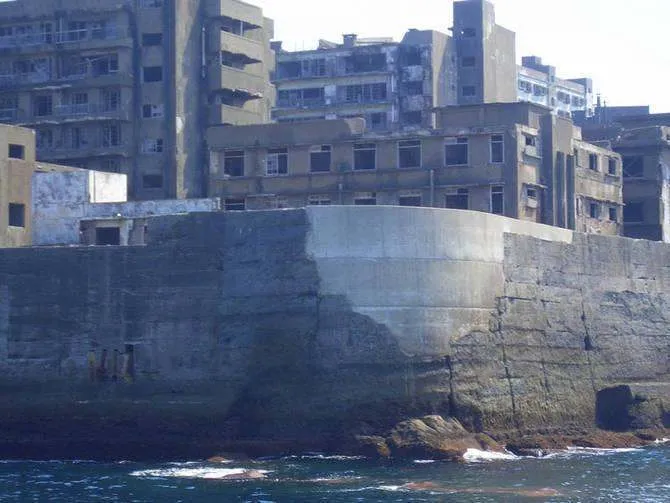
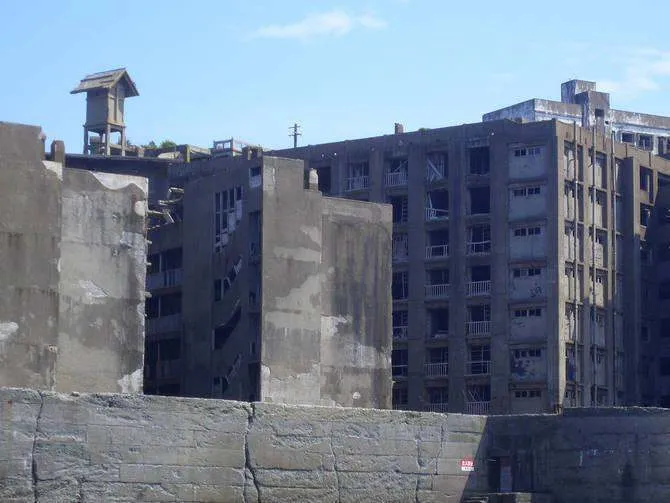
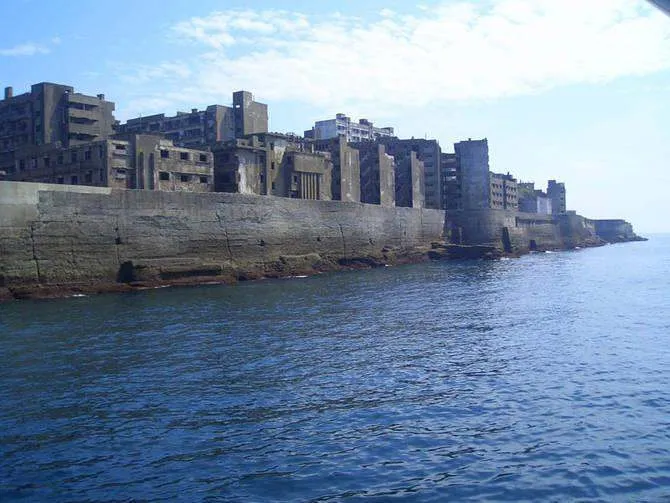
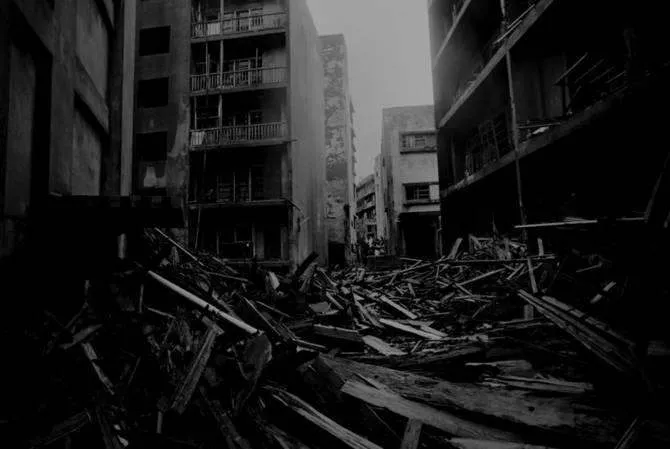
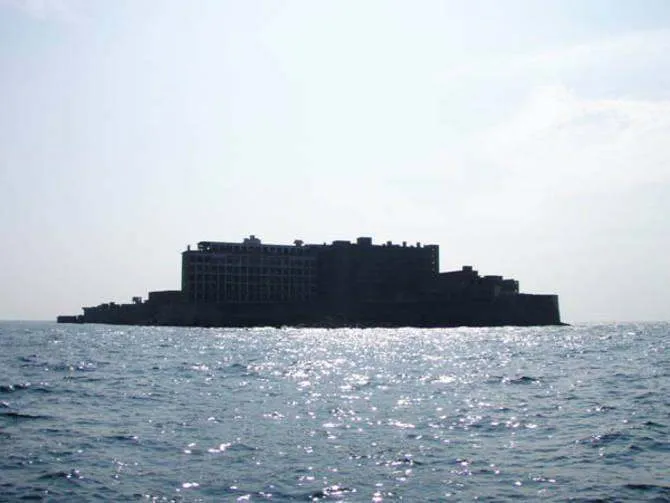
Since the original version of this article ran, the island's profile has changed considerably. In 2015, UNESCO added Hashima to its World Heritage List as part of the "Sites of Japan's Meiji Industrial Revolution" group — a designation that came with controversy, since the listing initially understated the use of forced Korean and Chinese laborers during the war years. Japan later agreed to acknowledge the history more directly at the site's information centers. The island also had a film moment: it served as the backdrop for Raoul Silva's hideout in Skyfall , which sent a wave of tourists looking to walk the same crumbling concrete. Today, regular boat tours depart from Nagasaki harbor, though visitors can only access a small designated path on the southern end. The rest of the island remains too dangerous to enter.
Pripyat, Ukraine
Quick Facts: Pripyat
- Location: Northern Ukraine, ~110 km from Kyiv, ~3 km from the Chernobyl Nuclear Power Plant
- Founded: 1970
- Peak population: ~49,000 (April 1986)
- Evacuated: April 27, 1986, in approximately 36 hours
- Current status: Closed to tourists since February 2022 due to Russian invasion of Ukraine
- Cleanup projected to last until: 2065
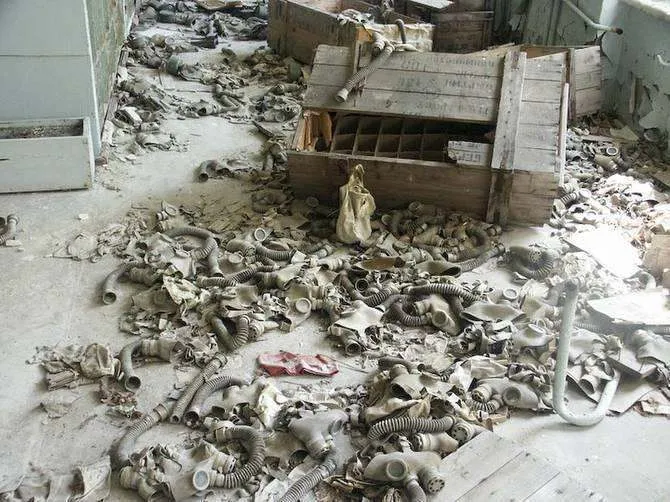
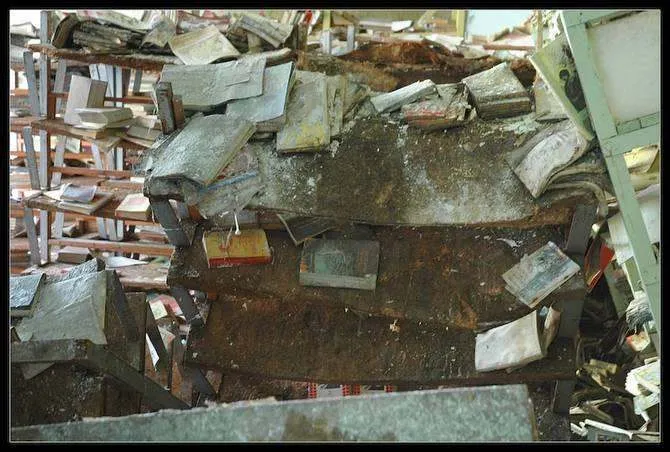
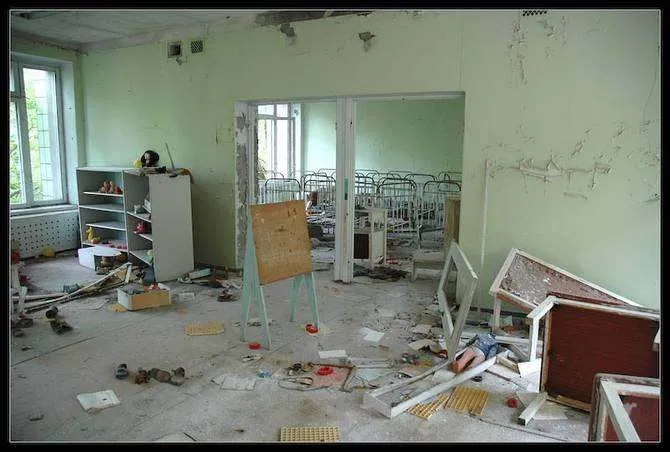
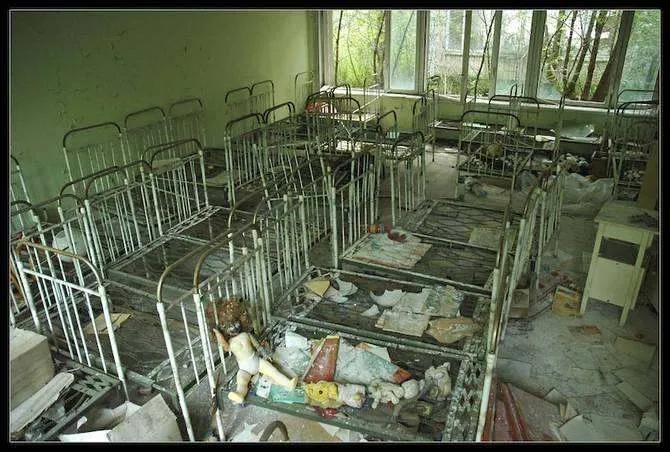
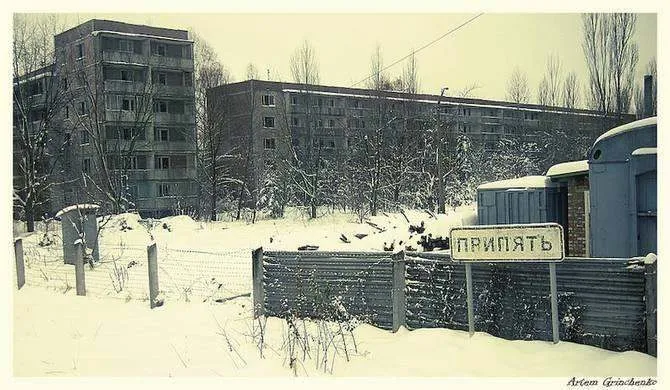
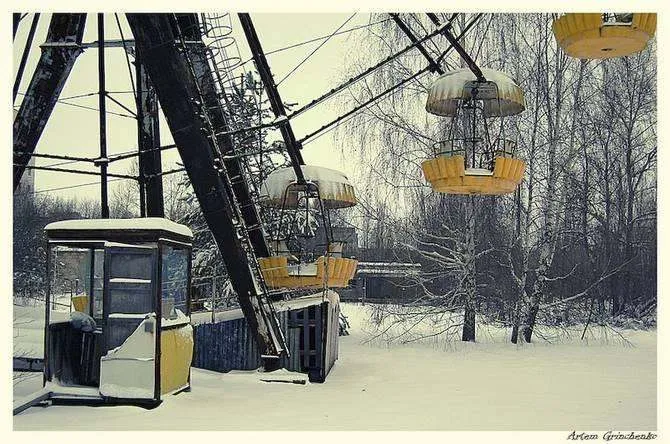
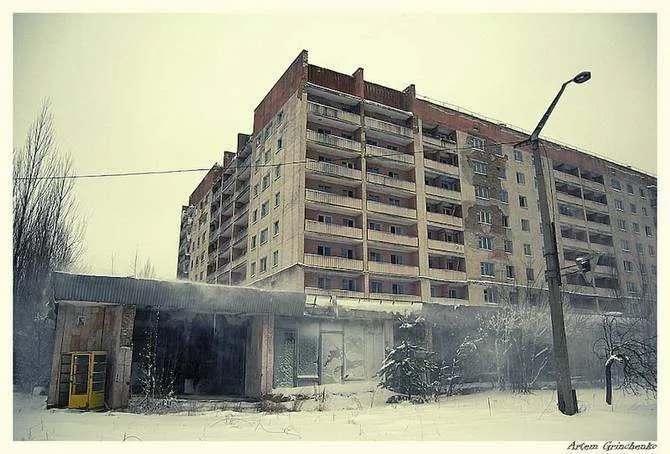
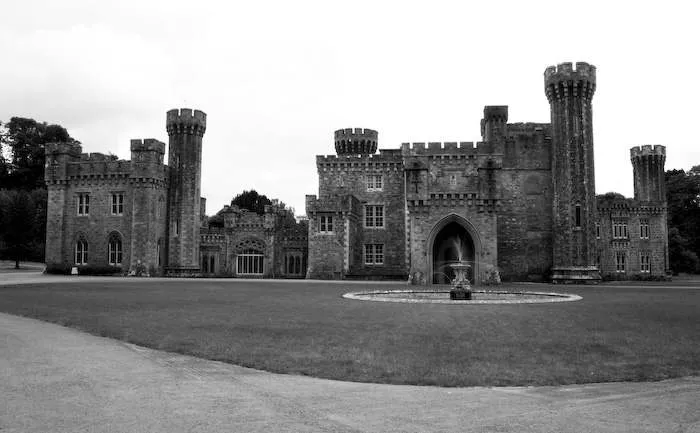
April 26, 2026 marked the 40th anniversary of the Chernobyl disaster. The site that began this article as a Cold War cautionary tale has become something else over those 40 years: a wildlife sanctuary studied by international scientists, a tourist destination during a brief decade of peace, a war zone again, and now a place whose buildings are crumbling faster than ever — partly from age, partly from neglect during wartime. Photographer Pierpaolo Mittica, who has documented Pripyat since 2002, has said books and posters that were intact when he started visiting are now disintegrating into dust. There may not be much left to photograph in another decade.
Kadykchan, Russia
Quick Facts: Kadykchan
- Location: Magadan Oblast, Russian Far East
- Founded: During World War II (mid-1940s)
- Peak population: ~12,000
- Final blow: 1996 mine explosion that killed six workers
- Current status: Almost fully abandoned; isolated and largely closed to foreign visitors since 2022
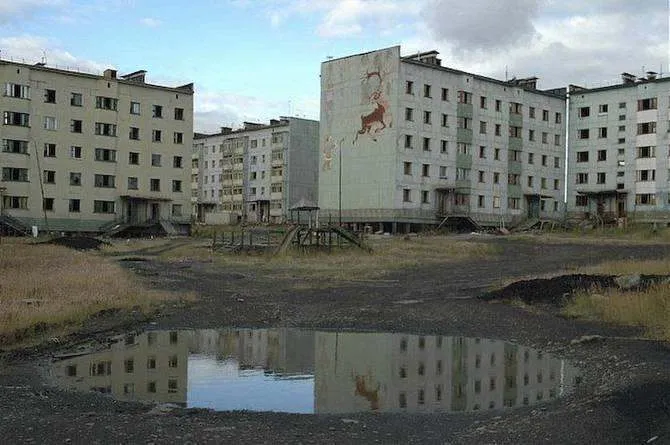
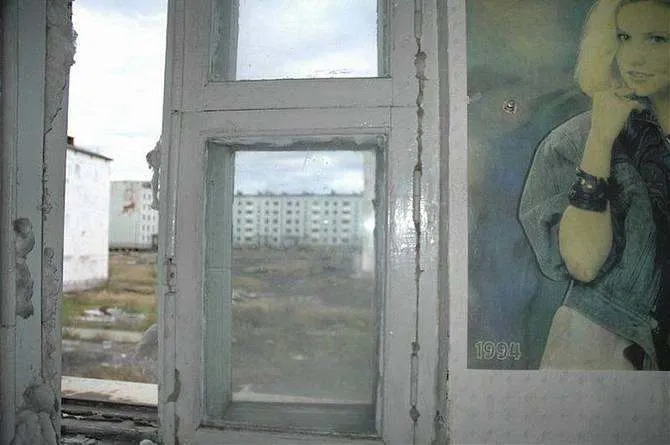
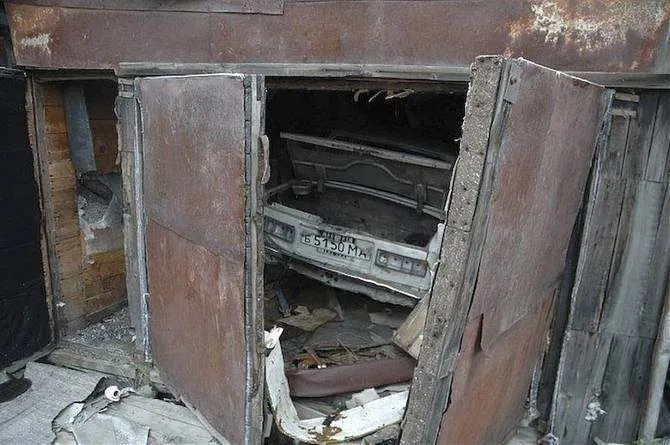
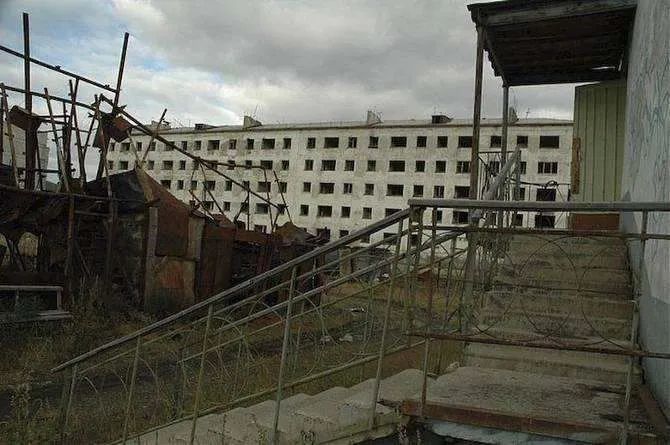
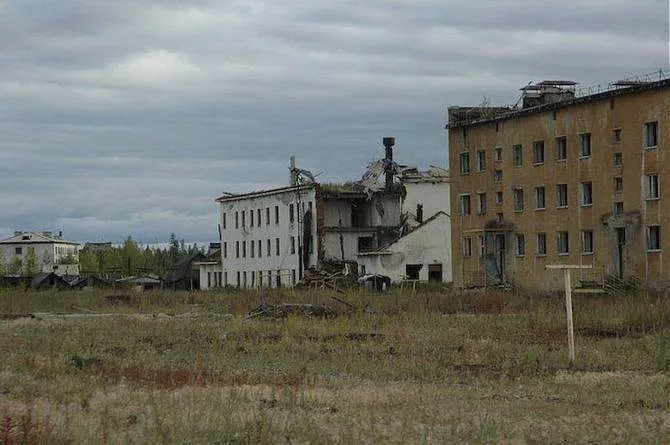
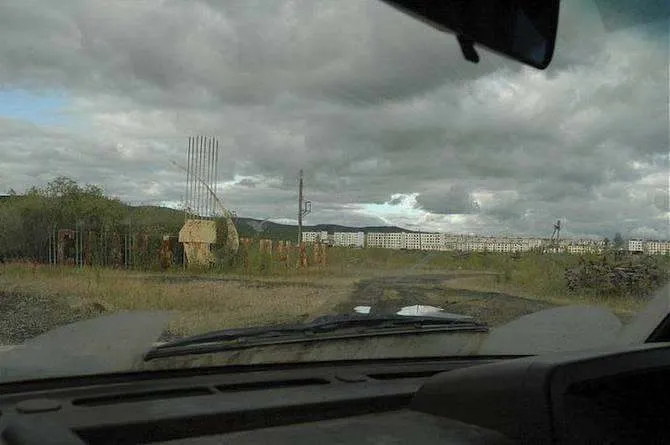
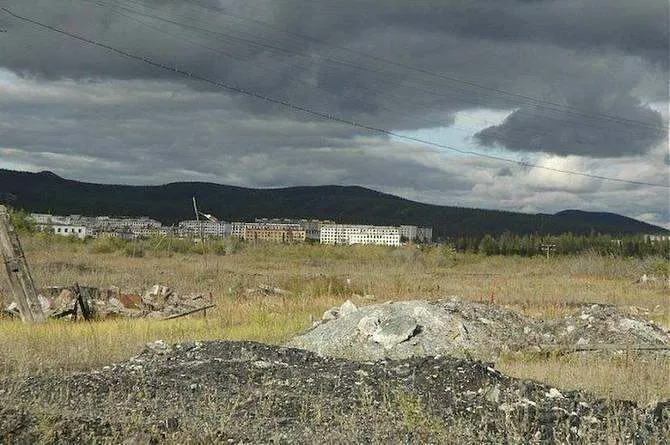
Since Russia's invasion of Ukraine in 2022 and the subsequent sanctions and visa restrictions, independent reporting from Russia's Far East has become significantly harder. The Kolyma region — of which Kadykchan is a part — was already remote and difficult to reach. It's now functionally off the map for most journalists, photographers, and tourists. What we know about Kadykchan today comes mostly from Russian-language documentary projects and intermittent drone footage that surfaces online.
Centralia, United States
Quick Facts: Centralia
- Location: Columbia County, Pennsylvania
- Founded: 1866
- Peak population: Over 2,700
- Fire started: May 1962 — still burning 64 years later
- Current population: 5 residents (as of 2025)
- Fire spread rate: 50–75 feet per year, covering ~400 acres
- Estimated time fire could continue burning: 100–250 more years
- Estimated cost to extinguish: ~$660 million
- Cultural footprint: Inspired the 2006 horror film Silent Hill
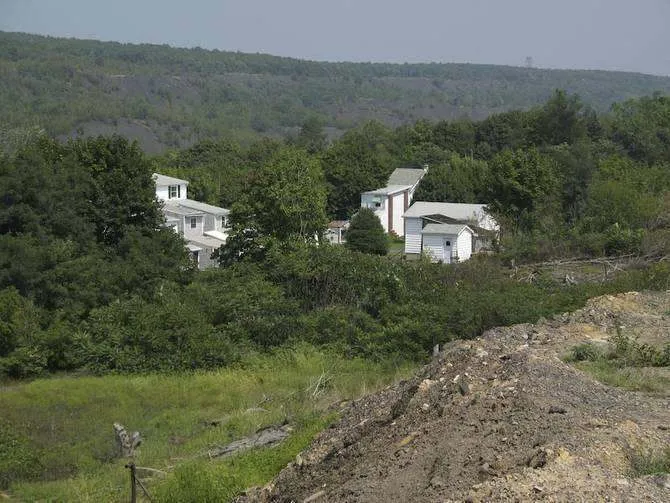
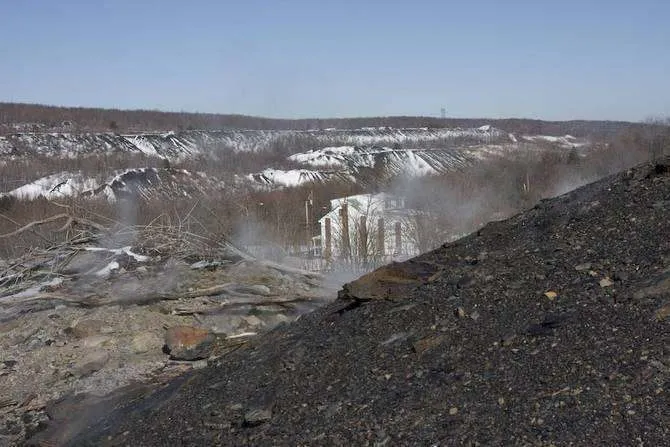
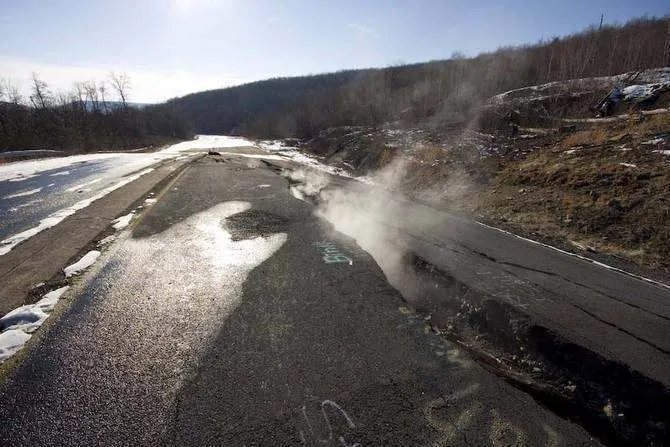
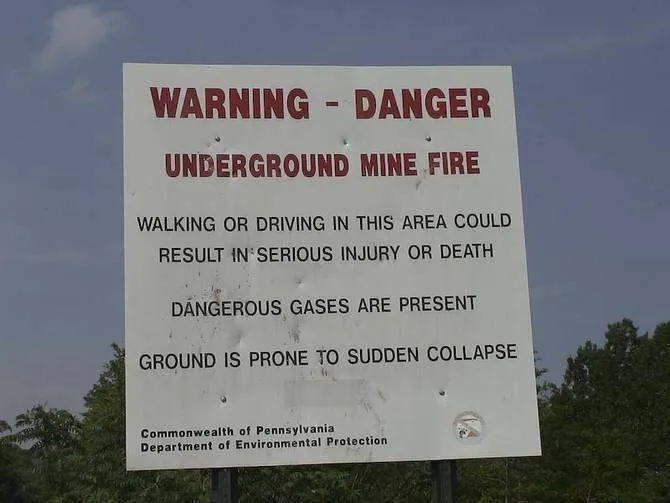
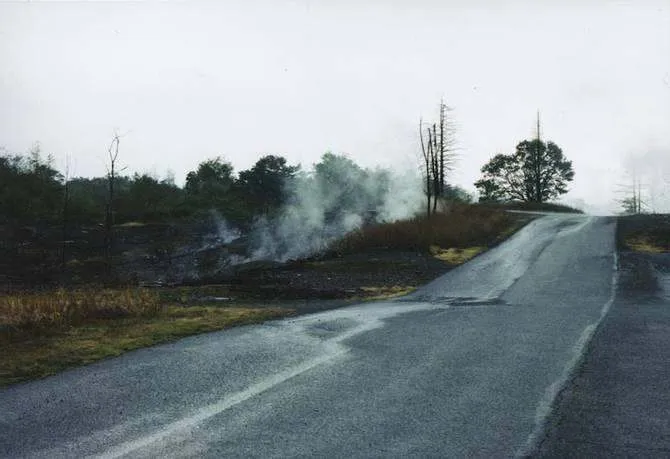
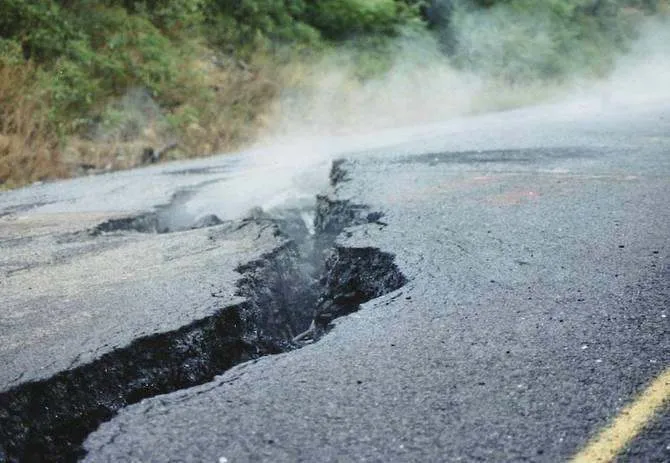
Two things have changed about Centralia since this list was first published. First, the Graffiti Highway — a stretch of Route 61 closed in 1993 that became a magnet for spray-paint artists and Instagram tourists — was buried under truckloads of dirt in April 2020 to discourage trespassers. The site that drew thousands of visitors a year is now a covered hillside. Second, the fire's projected lifespan keeps getting longer. Recent estimates suggest it could burn for another 100 to 250 years, and the burn zone is projected to potentially expand from its current 400 acres to as many as 3,700. The Pennsylvania Department of Environmental Protection monitors the situation through more than 2,000 boreholes. Centralia is one of approximately 40 active mine fires in Pennsylvania alone — a statistic that puts the unique tragedy of this single town into broader context.
Kowloon Walled City, Hong Kong, China
Quick Facts: Kowloon Walled City
- Location: Kowloon City District, Hong Kong
- Active years: Roughly 1898–1993 (most densely populated phase 1970s–1980s)
- Peak population: ~33,000–50,000 residents in 6.4 acres (one of the densest places ever recorded)
- Demolished: 1993–1994
- Replaced by: Kowloon Walled City Park (opened 1995)
- Cultural legacy: Major influence on cyberpunk aesthetic in film and games
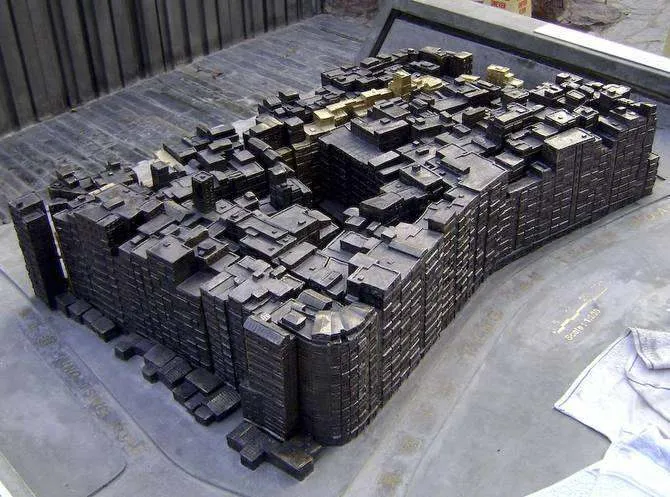
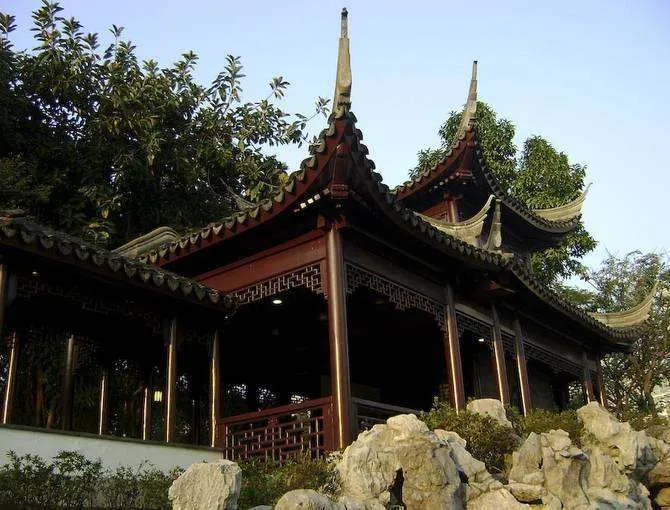
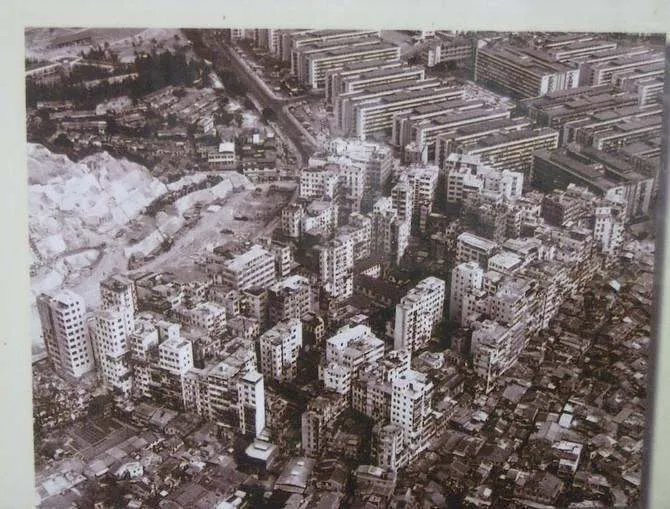

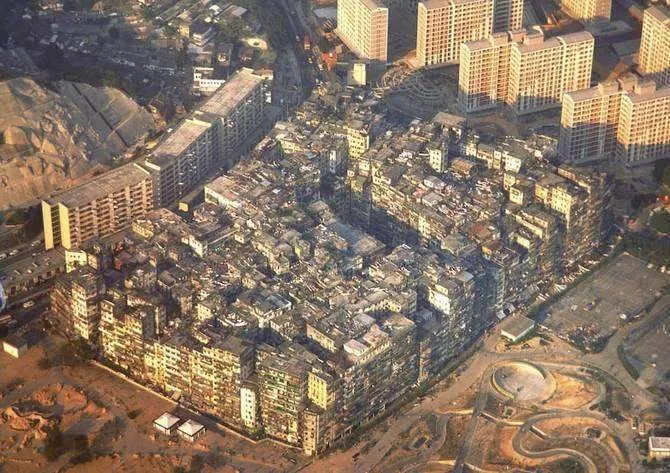
Though the physical structure was demolished more than three decades ago, the Walled City has had a strange afterlife in popular culture. Greg Girard and Ian Lambot's 1993 photo book City of Darkness documented daily life in the final years and has become a cult reference for designers, filmmakers, and game developers. The Walled City's tangle of corridors, exposed wiring, neon signage, and stacked architecture is the visual DNA of cyberpunk — most visibly in Blade Runner 2049, Ghost in the Shell, and the Cyberpunk 2077 video game. From 2009 until its closure in 2019, an arcade complex in Kawasaki, Japan called Warehouse Kawasaki recreated the Walled City's interiors at full scale, drawing visitors who wanted to walk through the place they'd only seen in photographs. The City itself is gone. The aesthetic it created is everywhere.
Oradour-Sur-Glane, France
Quick Facts: Oradour-Sur-Glane
- Location: Haute-Vienne department, west-central France
- Destroyed: June 10, 1944, by Waffen-SS troops
- Victims: 643 villagers killed (men, women, and children)
- Status: Preserved as a memorial since 1946 by decree of Charles de Gaulle
- Memorial center: Centre de la Mémoire opened in 1999
- 80th anniversary commemoration: June 10, 2024
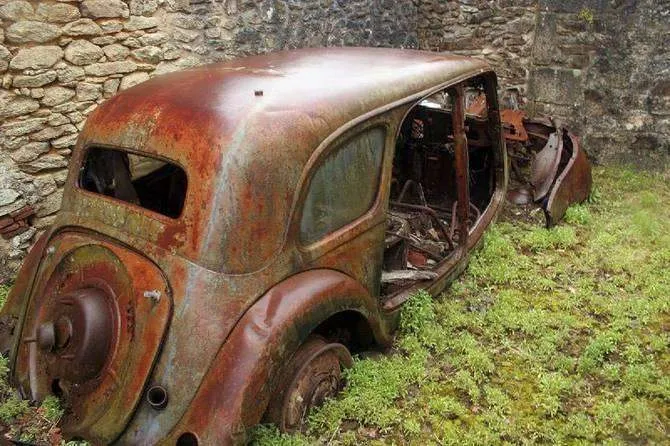
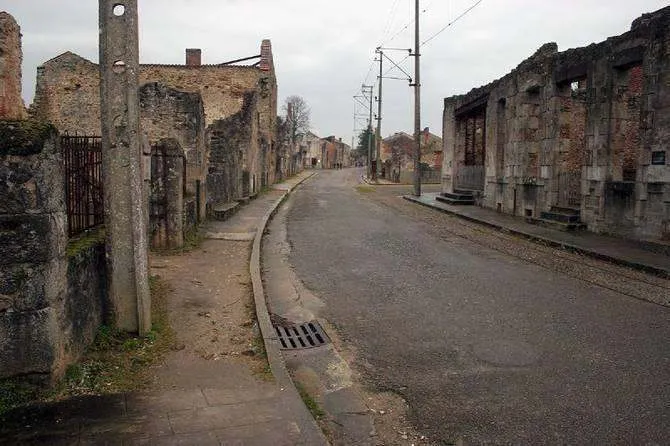
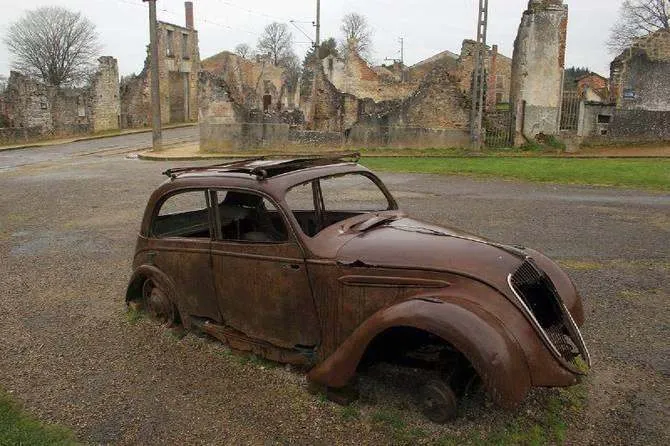
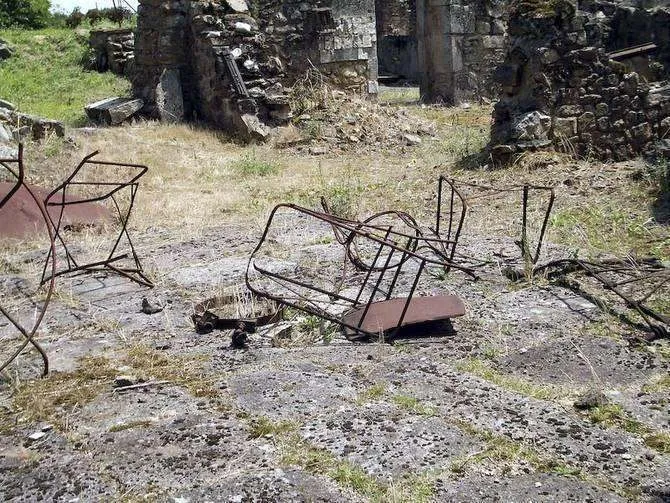
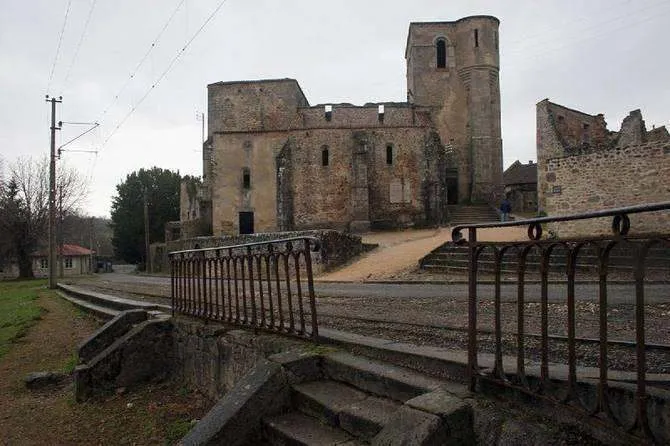
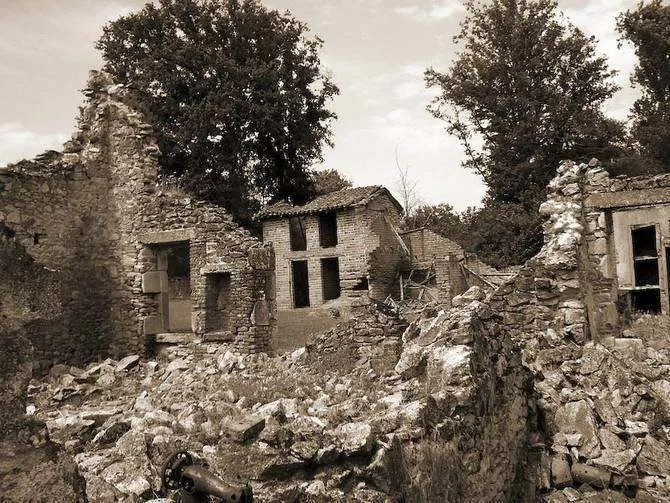
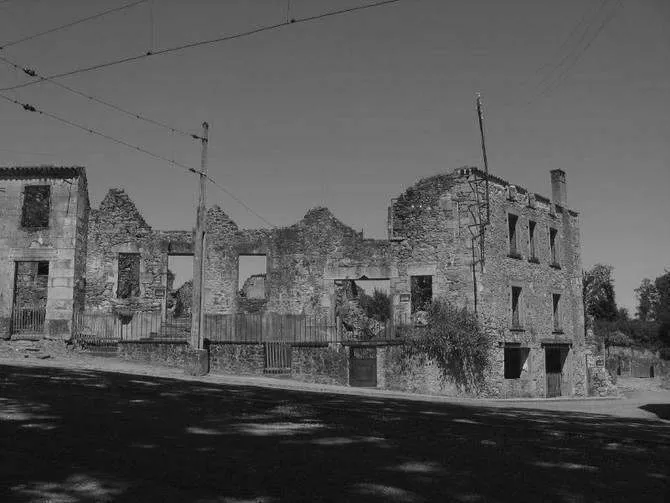
Two developments are worth noting in any 2026 retelling of Oradour. First, the Centre de la Mémoire — a museum and interpretive center built at the entrance to the preserved ruins — opened in 1999 and has become the primary way most visitors now encounter the site. Second, the village reached an inflection point in February 2023 when Robert Hébras, one of the last living survivors of the massacre, died at age 97. Hébras had spent the post-war decades giving testimony at the ruins and became a central figure in Franco-German reconciliation. In 2017, French President Emmanuel Macron and German President Frank-Walter Steinmeier visited the site together — a moment that would have been unimaginable in 1944. June 10, 2024 marked the 80th anniversary of the massacre. With Hébras gone, future commemorations will have to make do with recorded testimony.
Kolmanskop, Namibia
Quick Facts: Kolmanskop
- Location: Namib Desert, southern Namibia, near Lüderitz
- Founded: 1908, following diamond discovery
- Peak years: 1910s–1920s
- Abandoned: Final residents left in 1956
- Current status: Open to guided tours via NAMDEB permits
- Featured in: The Mummy Returns and numerous music videos and photography projects
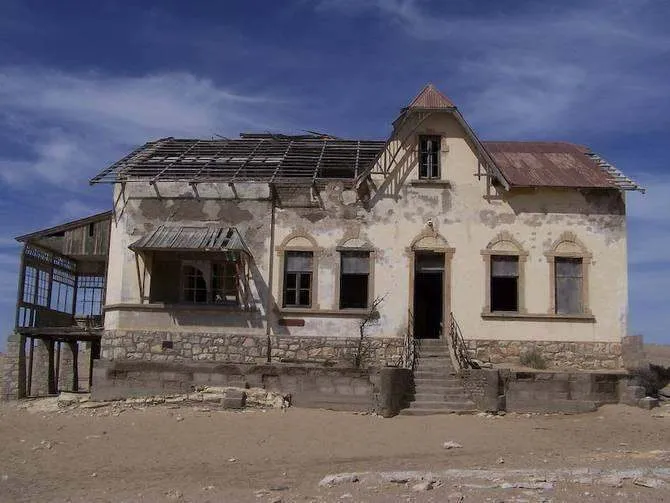
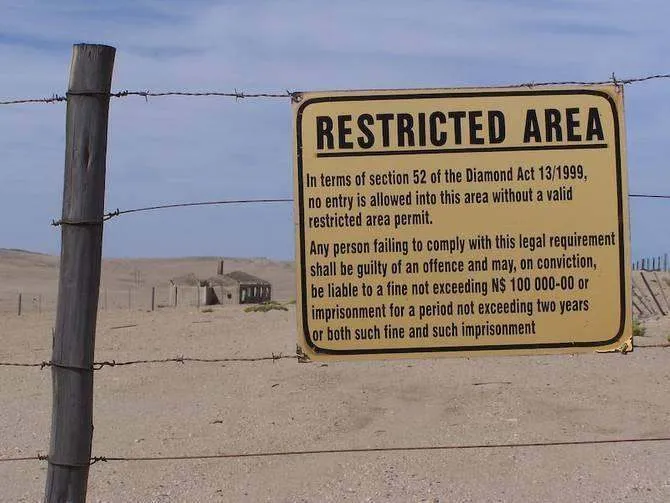
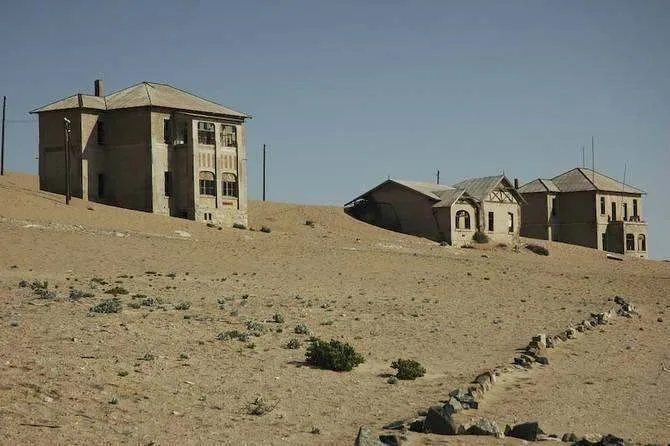
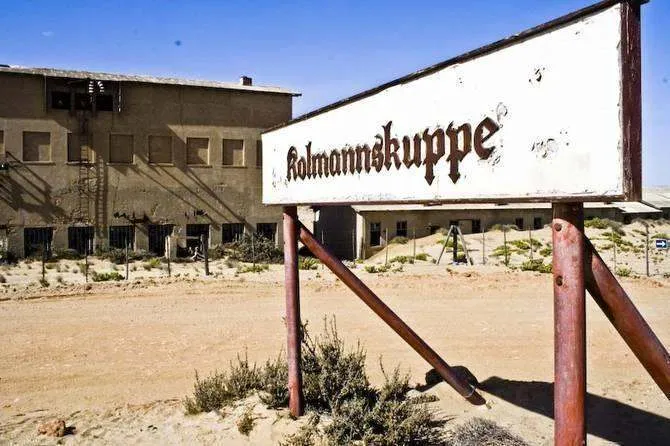
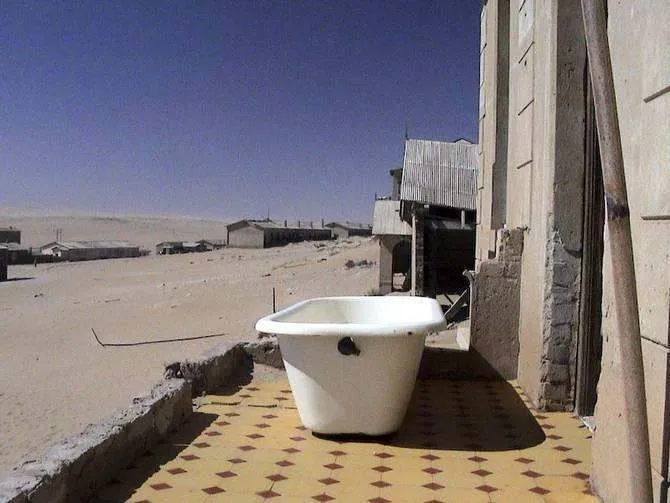
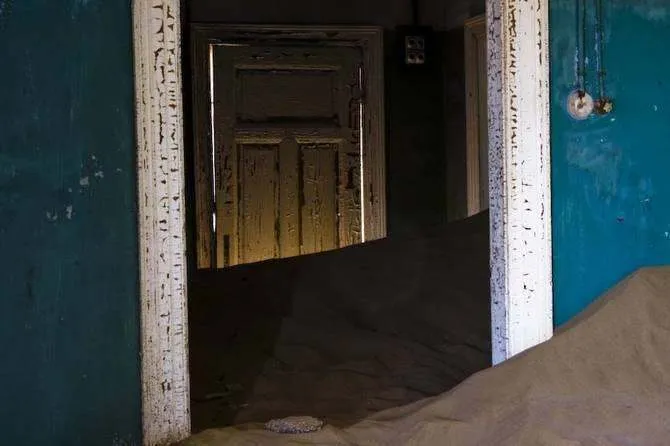
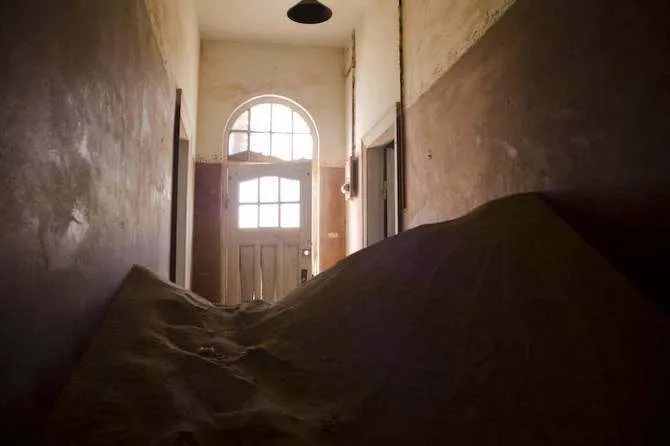
Of all the places on this list, Kolmanskop has had perhaps the most successful afterlife as a destination. The sand-filled interiors of its abandoned German colonial buildings — drifts piled to window height inside otherwise intact rooms — have become one of the most photographed ghost-town scenes in the world. National Geographic features, photography workshops, and a steady stream of Instagram travel content have pushed Kolmanskop into a different category from the other places on this list: a ghost town that has effectively become a working tourism site. Visits require a permit obtained through NAMDEB, the joint venture between the Namibian government and De Beers. Photographers seeking interior access at sunrise or sunset need a separate special permit.
Humberstone, Chile
Quick Facts: Humberstone
- Location: Atacama Desert, northern Chile
- Founded: 1872 (saltpeter extraction)
- Abandoned: 1960 (Humberstone) and 1970 (Santa Laura)
- UNESCO World Heritage Site since: 2005
- Status notes: Listed on UNESCO's "World Heritage in Danger" register from 2005 until 2019; now in stable preservation status
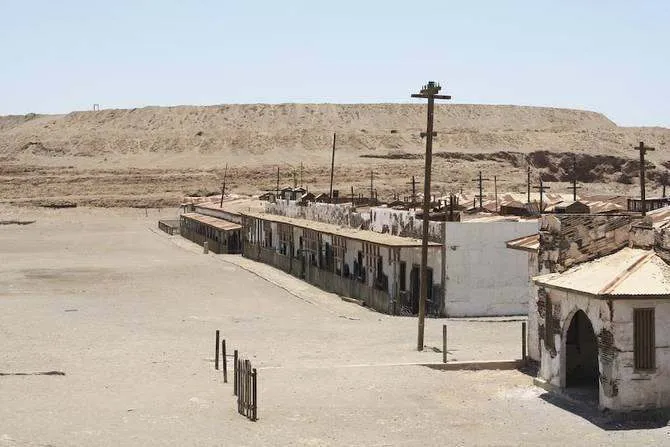
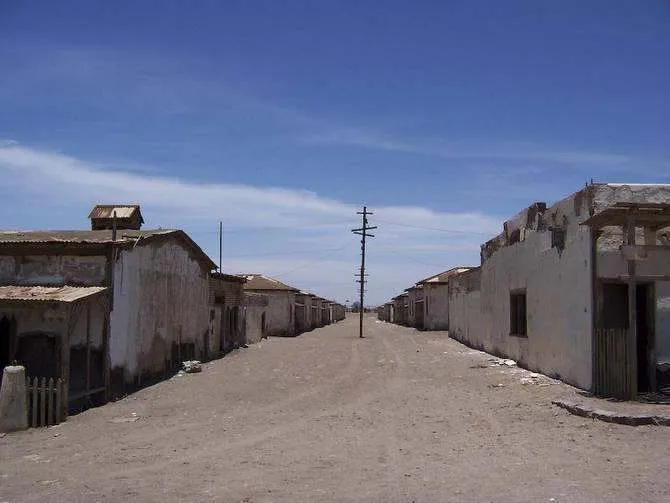
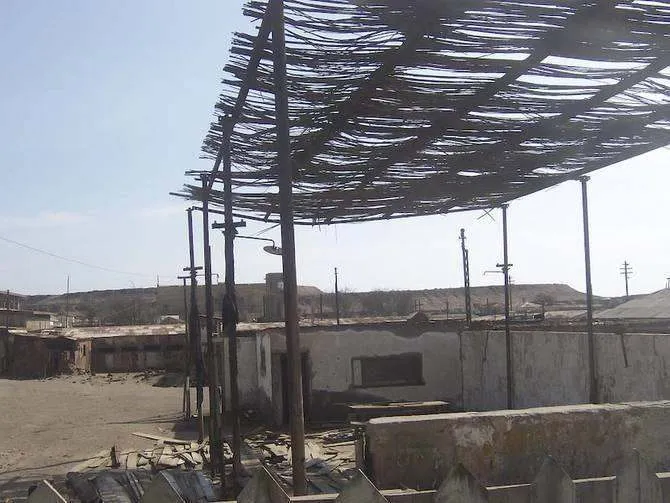
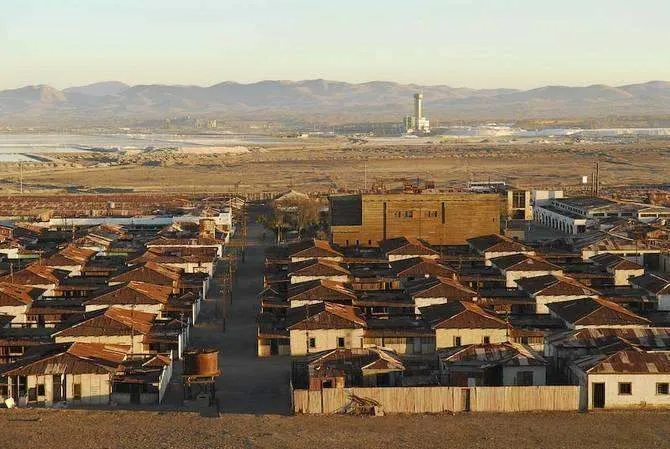
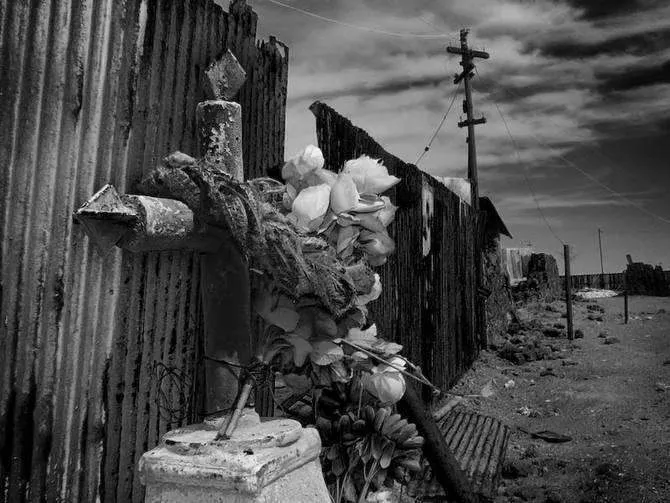
When this article first ran in 2010, Humberstone and Santa Laura were on UNESCO's "World Heritage in Danger" list — a status reserved for World Heritage Sites under serious threat. The combination of desert erosion, earthquake damage, and limited conservation funding put both towns at risk of disappearing. Chile's government and international conservation groups invested in restoration work over the following years, and in 2019 UNESCO removed both sites from the Danger list. They remain World Heritage Sites in good standing and continue to operate as open-air museums.
Wittenoom, Australia
Quick Facts: Wittenoom
- Location: Pilbara region, Western Australia
- Active years: 1950–1966 (blue asbestos mining)
- Peak population: ~20,000 workers passed through during operation
- De-registered as a town: 2007 (removed from official maps)
- Power and water cut: 2006
- Last permanent residents departed: Around 2022
- Designation: The most asbestos-contaminated location in the Southern Hemisphere
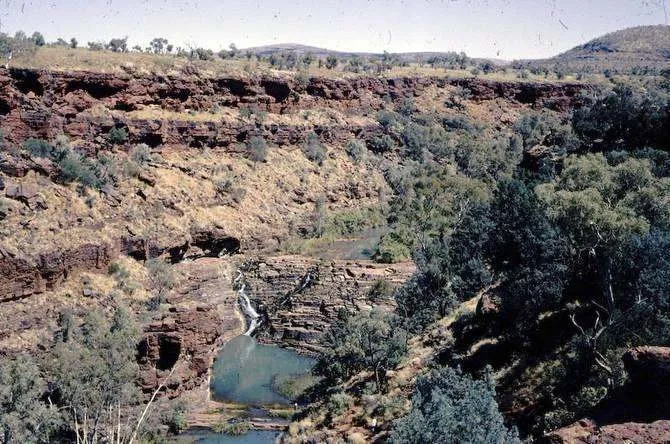
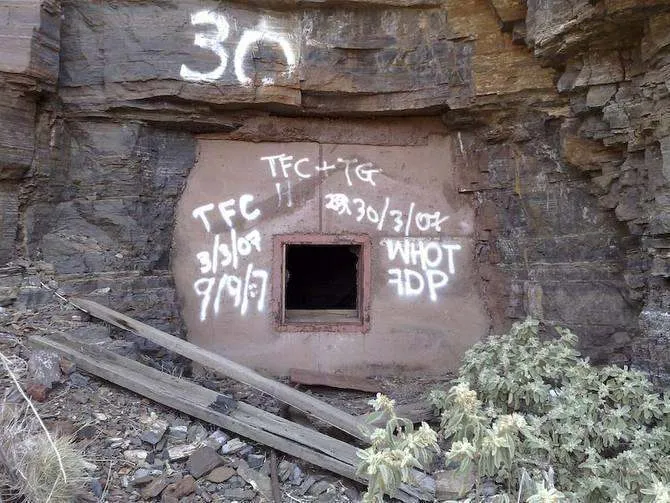

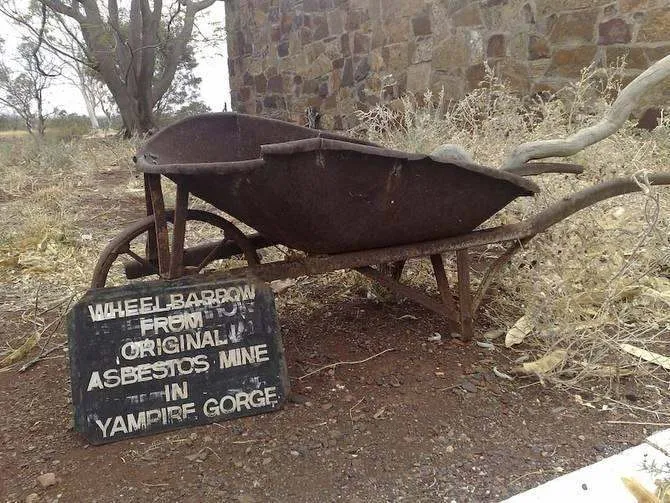
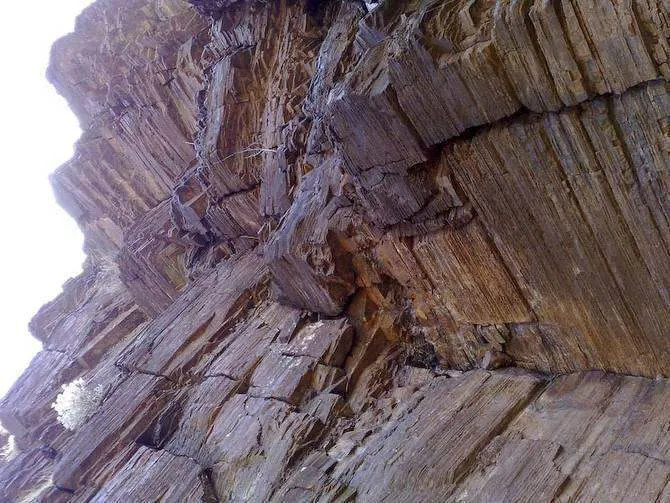
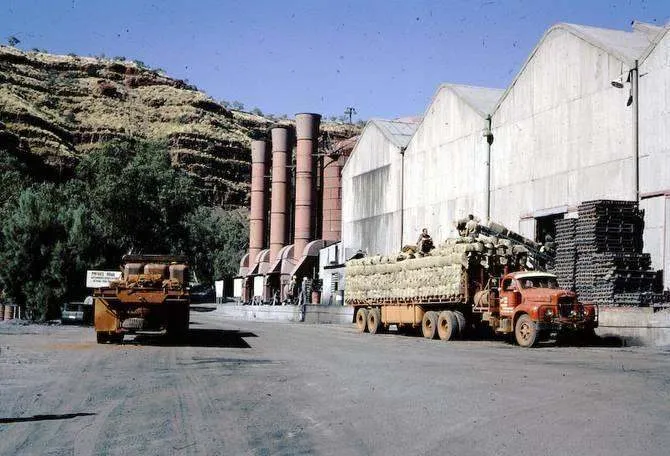
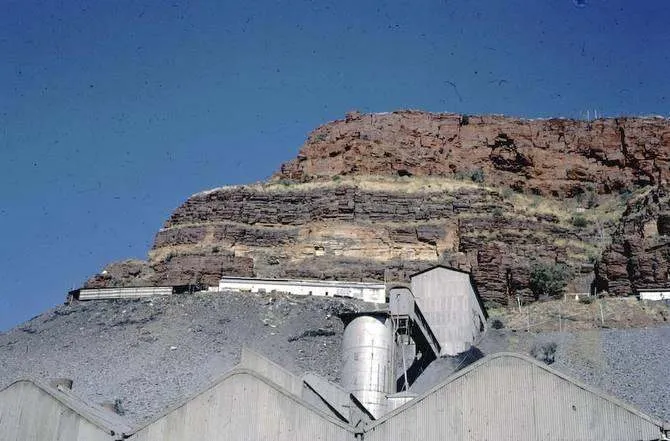
Wittenoom isn't a ghost town that died of economics or war. It died of poison. The blue asbestos mines that built the town from 1950 to 1966 left behind tailings that still blow across the surrounding landscape, and the disease toll on former workers and residents — mesothelioma, asbestosis, lung cancer — became one of Australia's worst industrial health disasters. Successive Western Australian governments have spent decades trying to make Wittenoom disappear. The town was officially de-registered in 2007, removed from official maps, and stripped of power and water service in 2006. A handful of residents refused to leave for years, but the last permanent residents are believed to have departed by around 2022. Roads into the area carry warning signs, and entering the Wittenoom Asbestos Management Area is restricted by law. It's the only place on this list that the government has actively tried to erase.
Agdam, Azerbaijan
Quick Facts: Agdam
- Location: Karabakh region, Azerbaijan
- Abandoned: 1993, during the First Nagorno-Karabakh War
- Peak population: ~28,000 before evacuation
- Nickname: "Hiroshima of the Caucasus" — for the extent of destruction
- Current status: Reconstruction underway since Azerbaijan's recapture in November 2020
- Smart City project announced: 2021
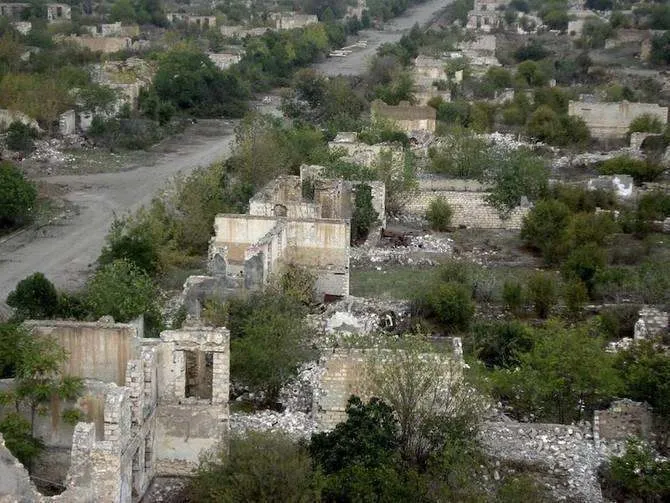
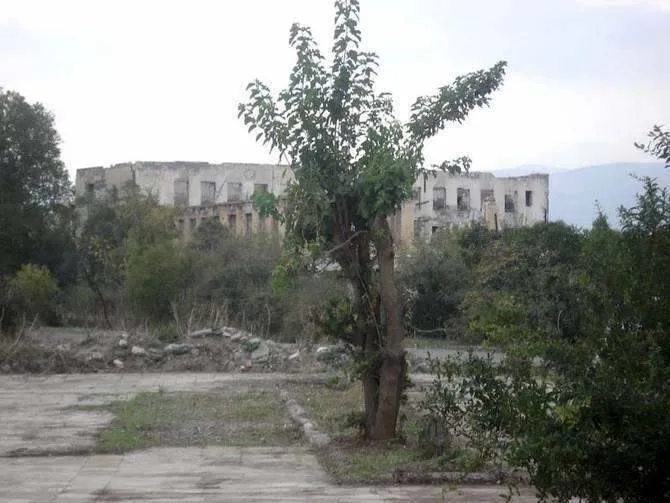
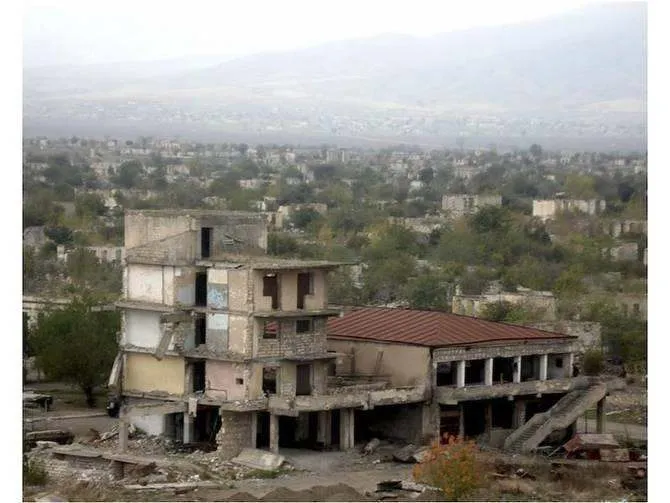
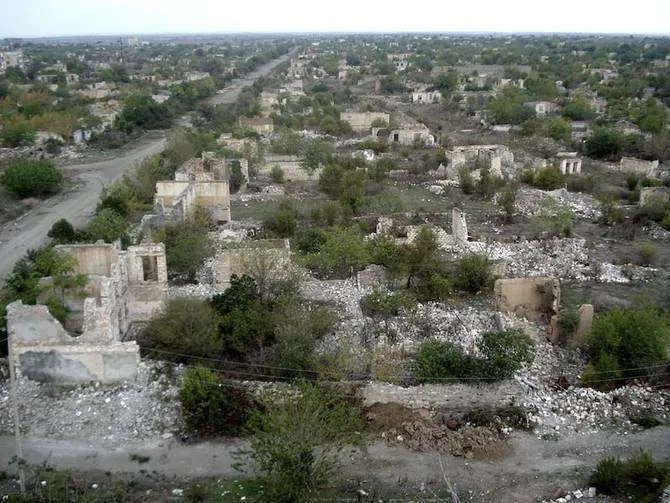
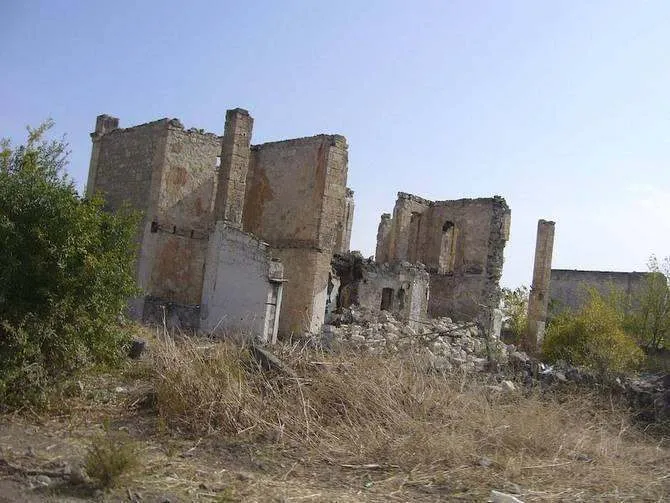
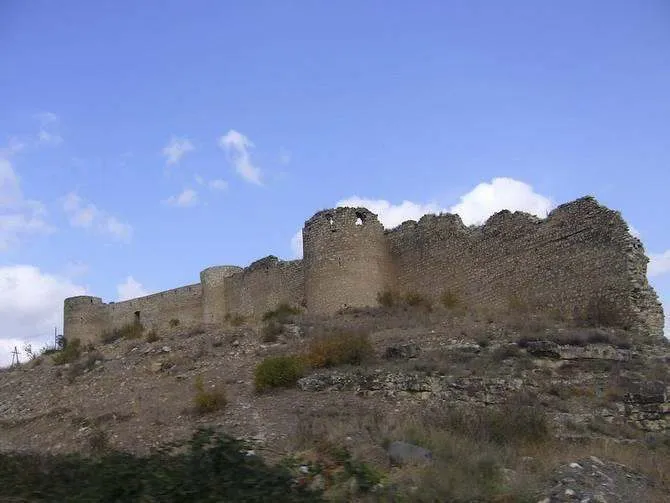
Agdam is the only place on this list whose story flipped in the last decade. After being abandoned during the First Nagorno-Karabakh War in 1993, the city sat in ruins under Armenian-backed forces' control for 27 years. That changed in November 2020, when the Second Nagorno-Karabakh War ended with Azerbaijan retaking the territory. Reconstruction began almost immediately. In 2021, the Azerbaijani government announced an ambitious "smart city" rebuilding plan for Agdam, with infrastructure designed from scratch around digital services, sustainable energy, and modern urban planning. Visiting Agdam in 2026 means seeing two cities in one: the ruined Soviet-era streets that have stood empty for over three decades, and the cranes and construction sites of a new city being built next to them. By the time future versions of this article are written, Agdam may no longer belong on a list of abandoned places at all.
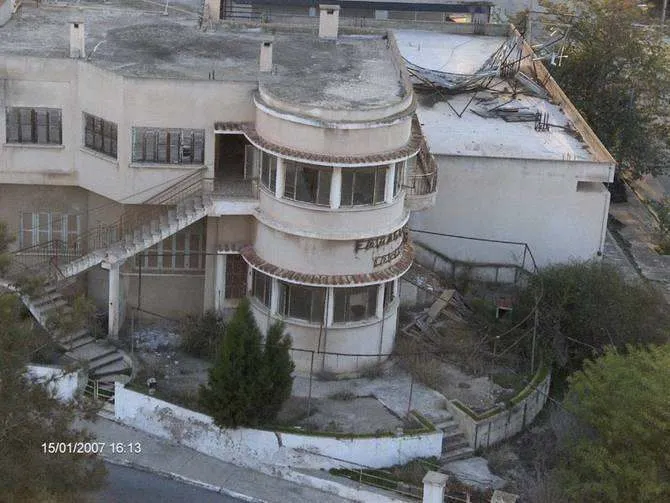
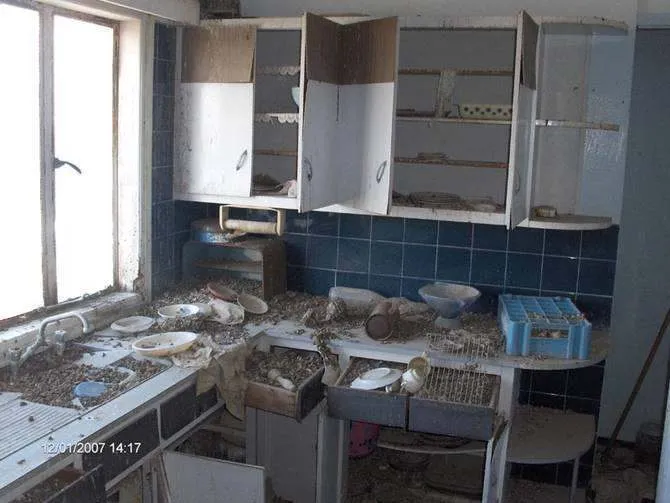
Varosha, Cyprus
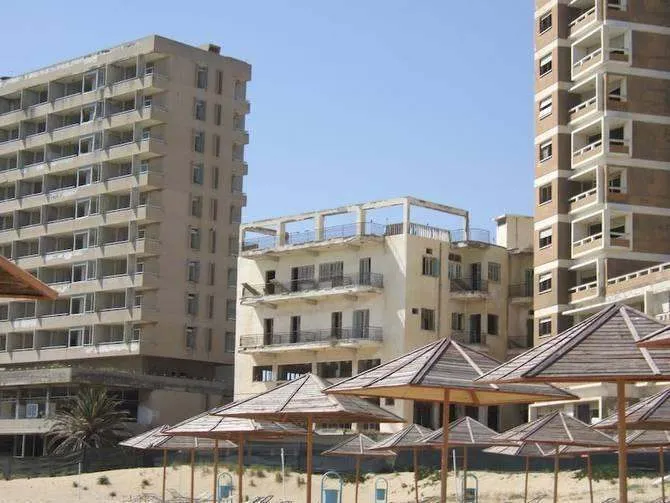
In the early 1970s, the city of Famagusta was the number one tourist destination in Cyprus. To cater to the increasing number of tourists, the city constructed many new high-rise buildings and hotels. During its heyday, the Varosha quarter of Famagusta was not only the number one tourist destination in Cyprus, but between 1970 and 1974 it was one of the most popular tourist destinations in the world. In particular, it was a favorite destination of wealthy, rich and famous stars such as Elizabeth Taylor, Richard Burton, Raquel Welch and Brigitte Bardot. During the Turkish Invasion of Cyprus in 1974, the population was evacuated out of fear of lethal fighting and massacres. Fences and landmine belts now seperate the area, which remains under Turkish Cypriot control, from the Greek-controlled part of the island. For most of the 45 years since, the entire area of Varosha was a ghost town. In late 2020, small areas - notably the beach - were again opened to the public. Under Greek and UN protest, Turkish developers have begun work on some plots recently, but the majority remains half-reclaimed by nature.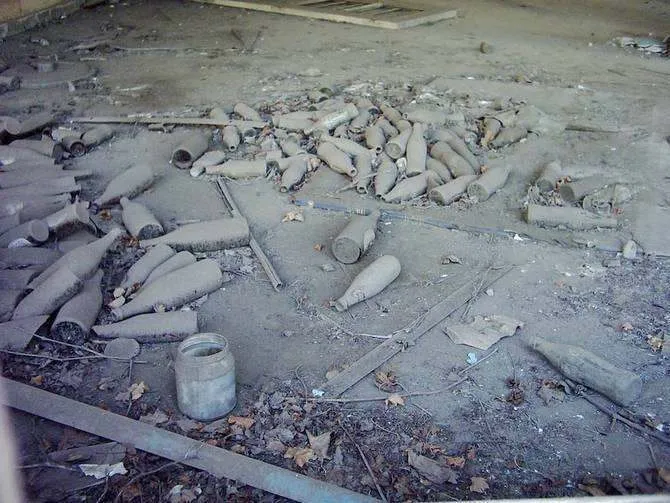
Balestrino, Italy
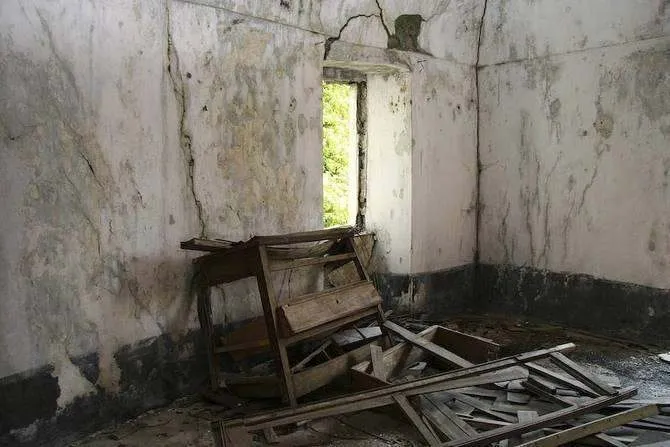
Balestrino dates back to the Middle Ages - yet despite its long history, the forces of nature eventually drove its residents to abandon it. Some of the earliest reliable information about the village is from 1860. At this time, its population was about 850 inhabitants. At the end of the 20th century the village suffered from several earthquakes after which the residents left. Many have, however, rebuilt at a nearby site.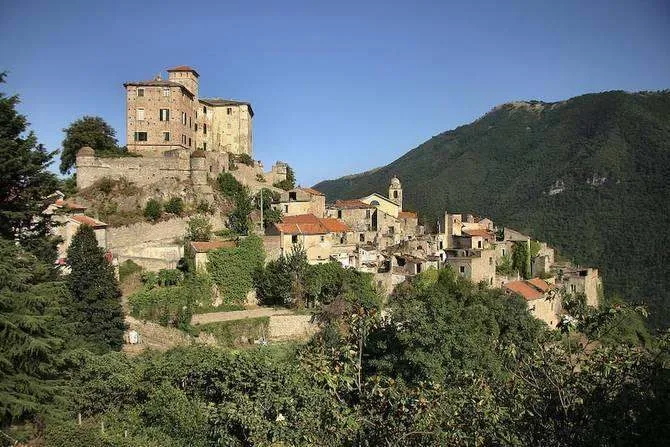
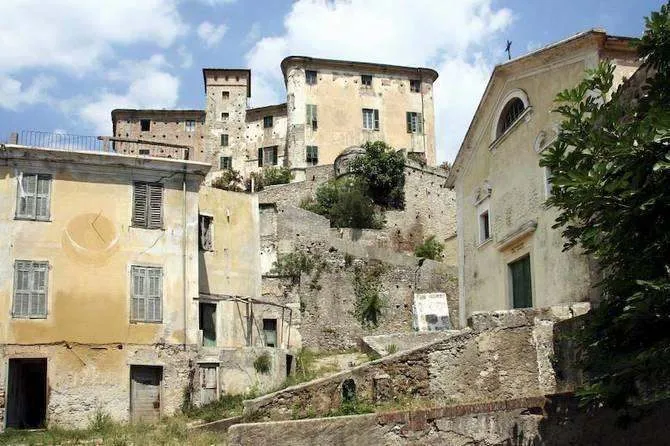
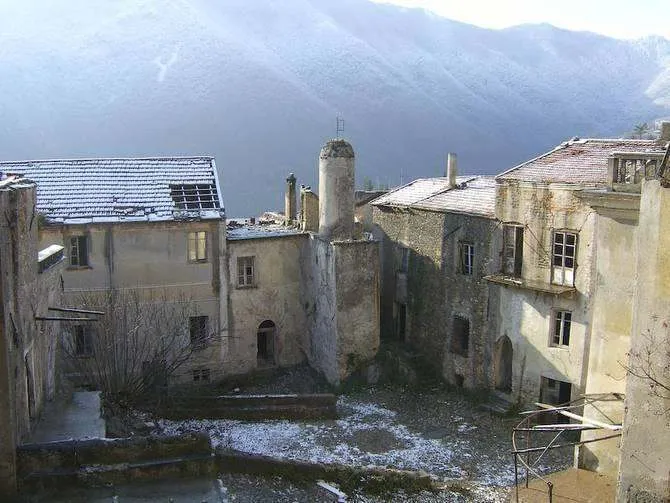
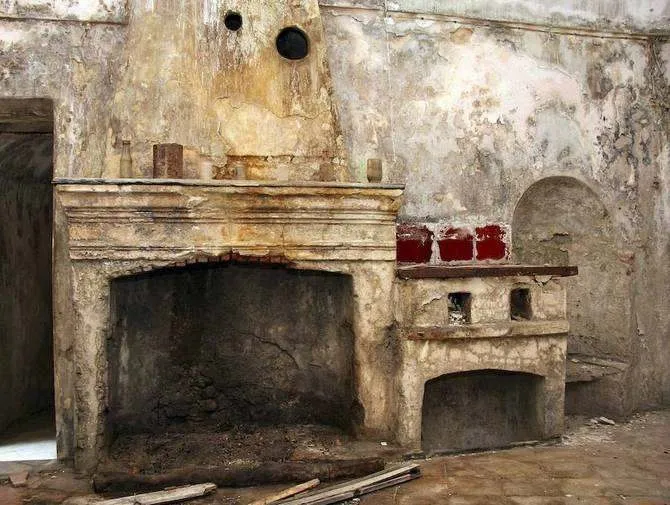
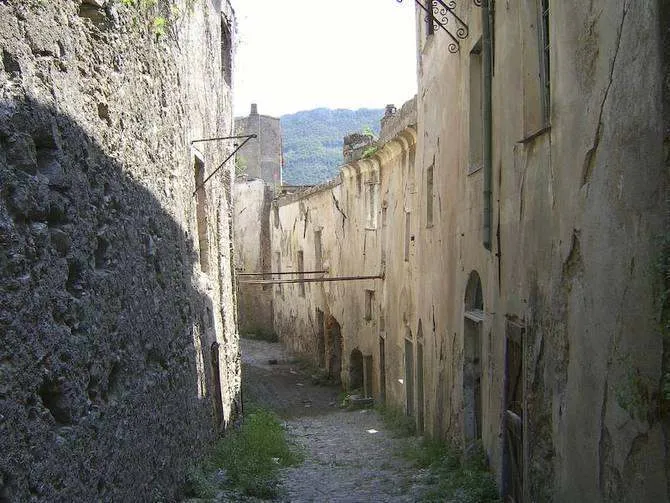
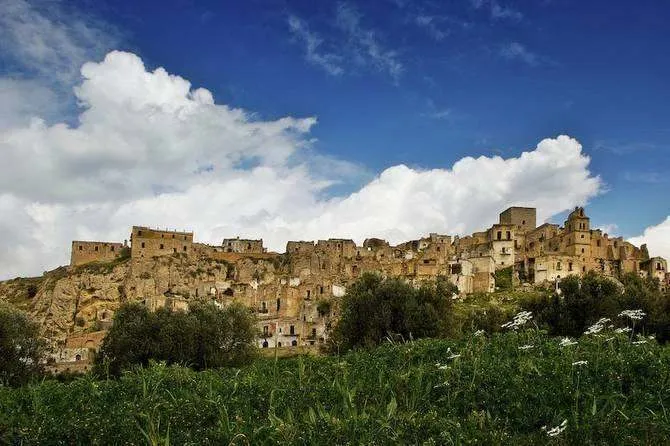
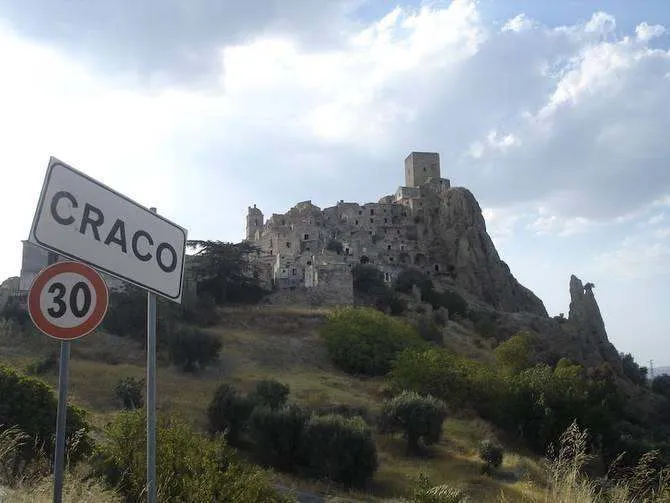
Craco, Italy
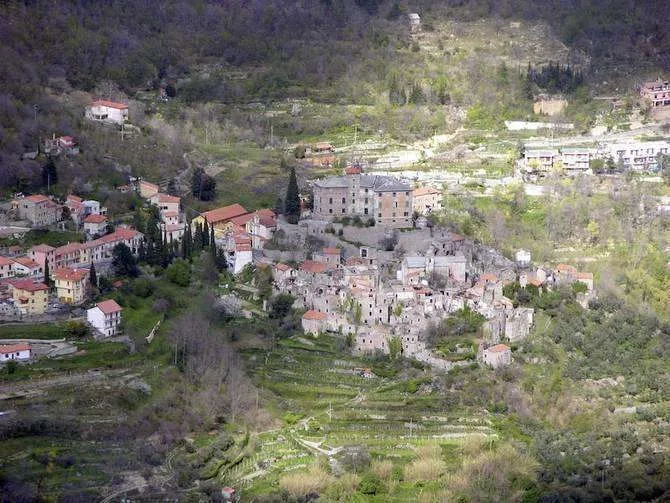
This village has the same history as the Balestrino, and its inhabitants suffered the same fate. Because of earthquakes, people had to leave looking for safer places.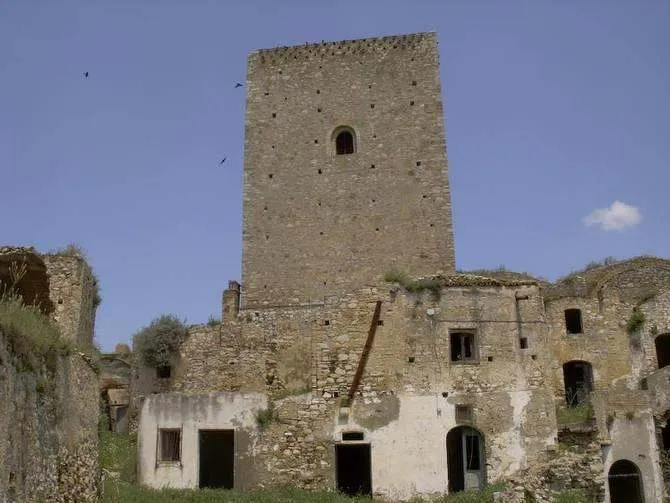
Bodie State Park, California, Unites States
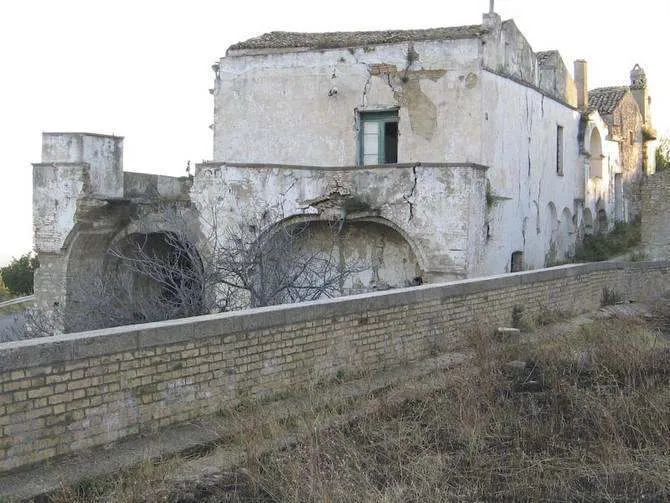
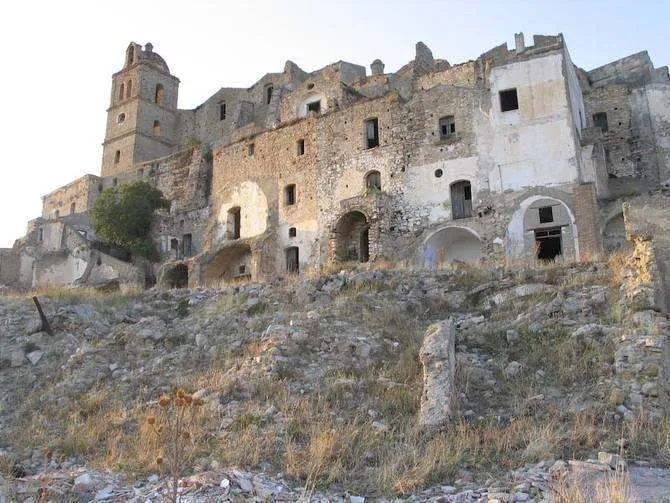
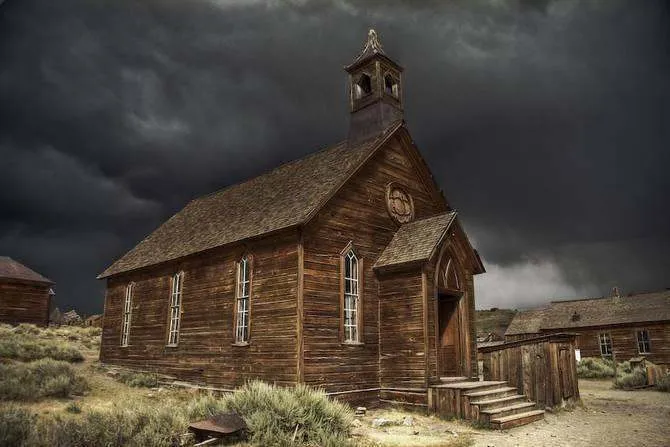
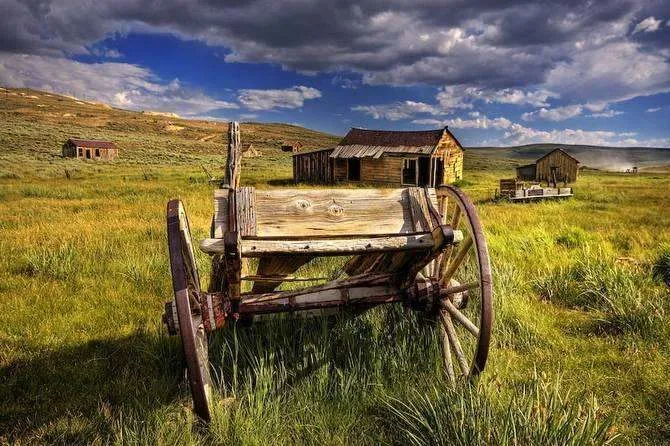
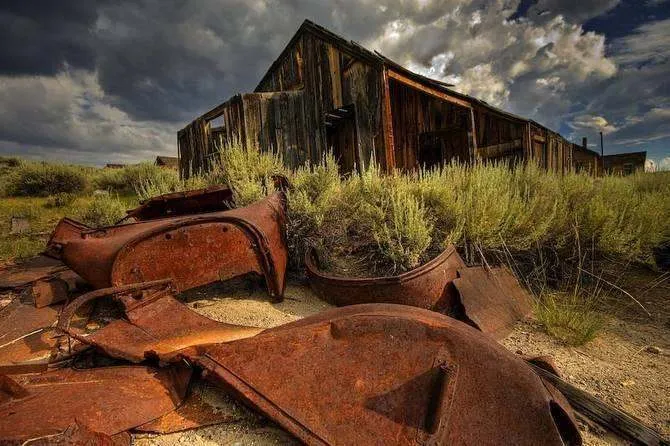
Bodie is a ghost town in California in the United States. Today, it is a National Historic Landmark and a State Park. In 1859, though, the settlement began as a mining camp. That year, miners discovered gold in the region. As a consequence, countless hopefuls packed their bags and set out to make their fortune. In the process, they built Bodie. The mining camp developed into a fully-fledged Wild West boomtown. But that growth was not sustainable. Most of the gold deposits were soon exhausted, though, and the local economy began to collapse. Little by little, the population moved away, leaving behind their homes, cars, and mining equipment. Bodie is yet another proof for the old sentiment of "no gold, no people." An exhaustion of natural resources has resulted in many abandoned places in the world.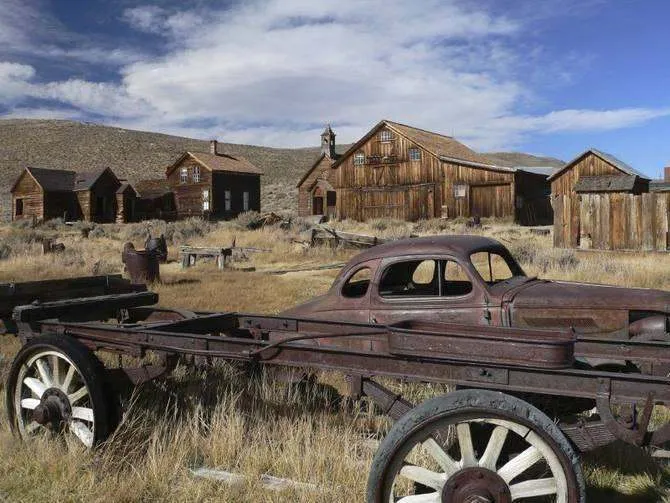
The Paris Catacombs, France
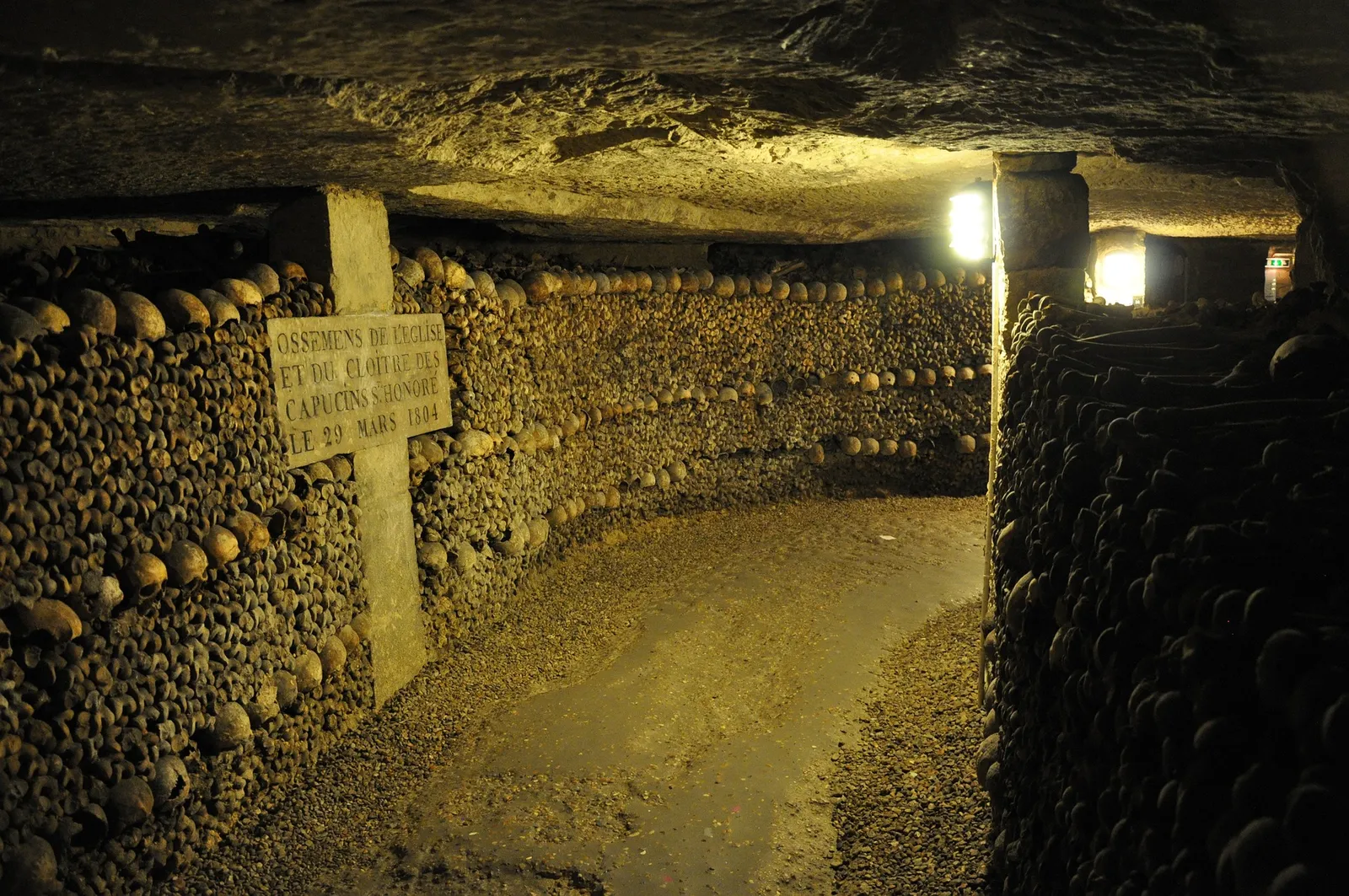
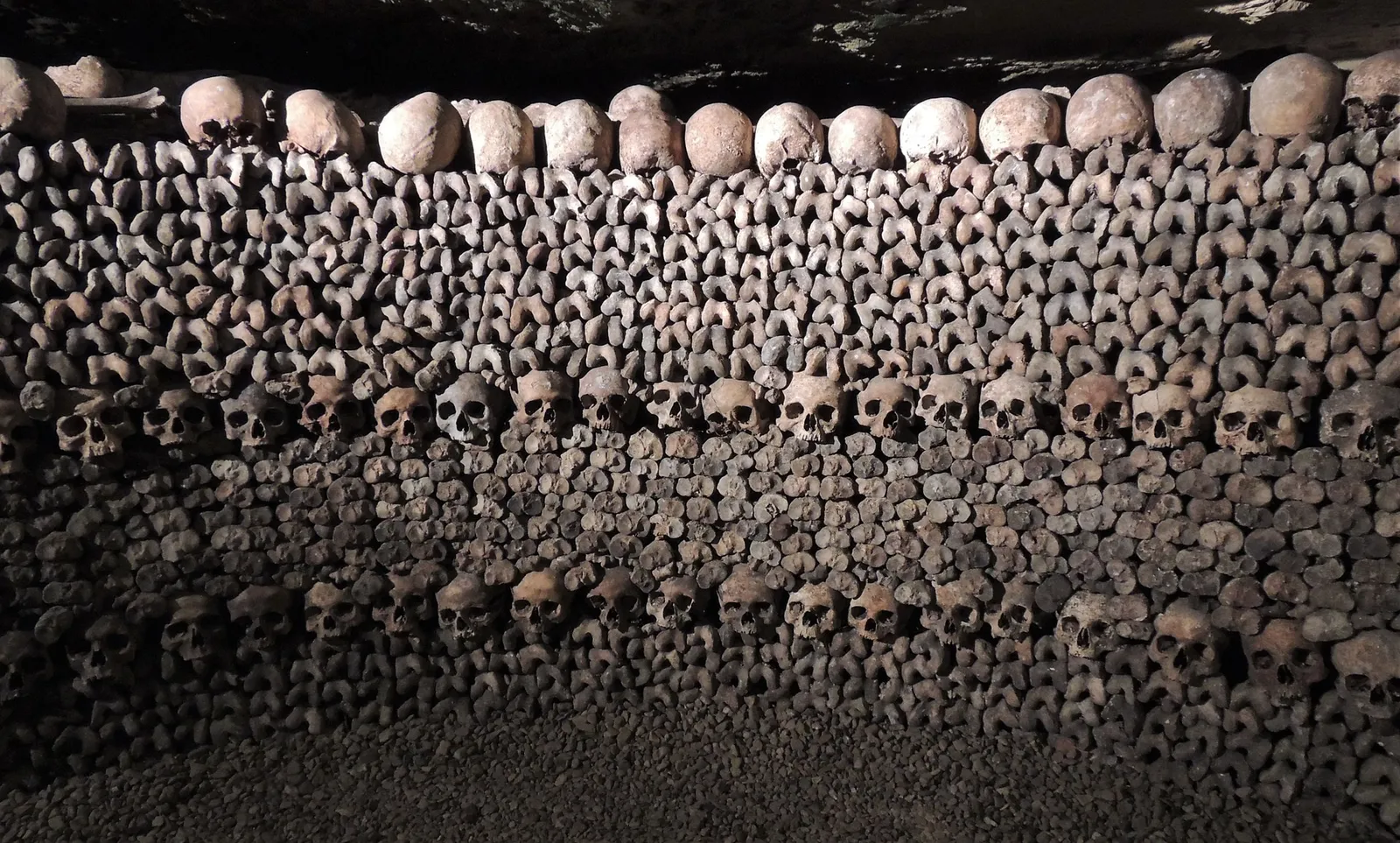
Sometimes, abandoned places are tucked away in the midst of population centers. This is the case with the Paris Catacombs, hidden beneath the streets of the French capital. Built in the 18th century, the sprawling catacombs form a labyrinth of tunnels and caverns. Its intended purpose was to serve as a gigantic tomb. At the time, above-ground graveyards posed a serious public health threat. That's why the authorities decided to transfer the remains of the city's dead to the abandoned quarries beneath its surface. Centuries earlier, they had supplied the stones used to construct Paris. Now, they became home to its dead. In 1785, workers began to empty bones from the tombs, common graves, and charnel houses at Saints-Innocents cemetery. Saints-Innocents had been closed five years before, nearly a thousand years after its first burials. The bones were moved at night, to avoid opposition from the citizens and the Catholic Church. The efforts were eventually abandoned in the 1860s. However, according to estimates, the bones of 6 million bodies now lie buried in the catacombs. Their stacked remains still line the deserted tunnels, forever plunged into darkness. Since 1874, parts of the catacombs have been open to the public. Today, these areas are managed by the Paris museums.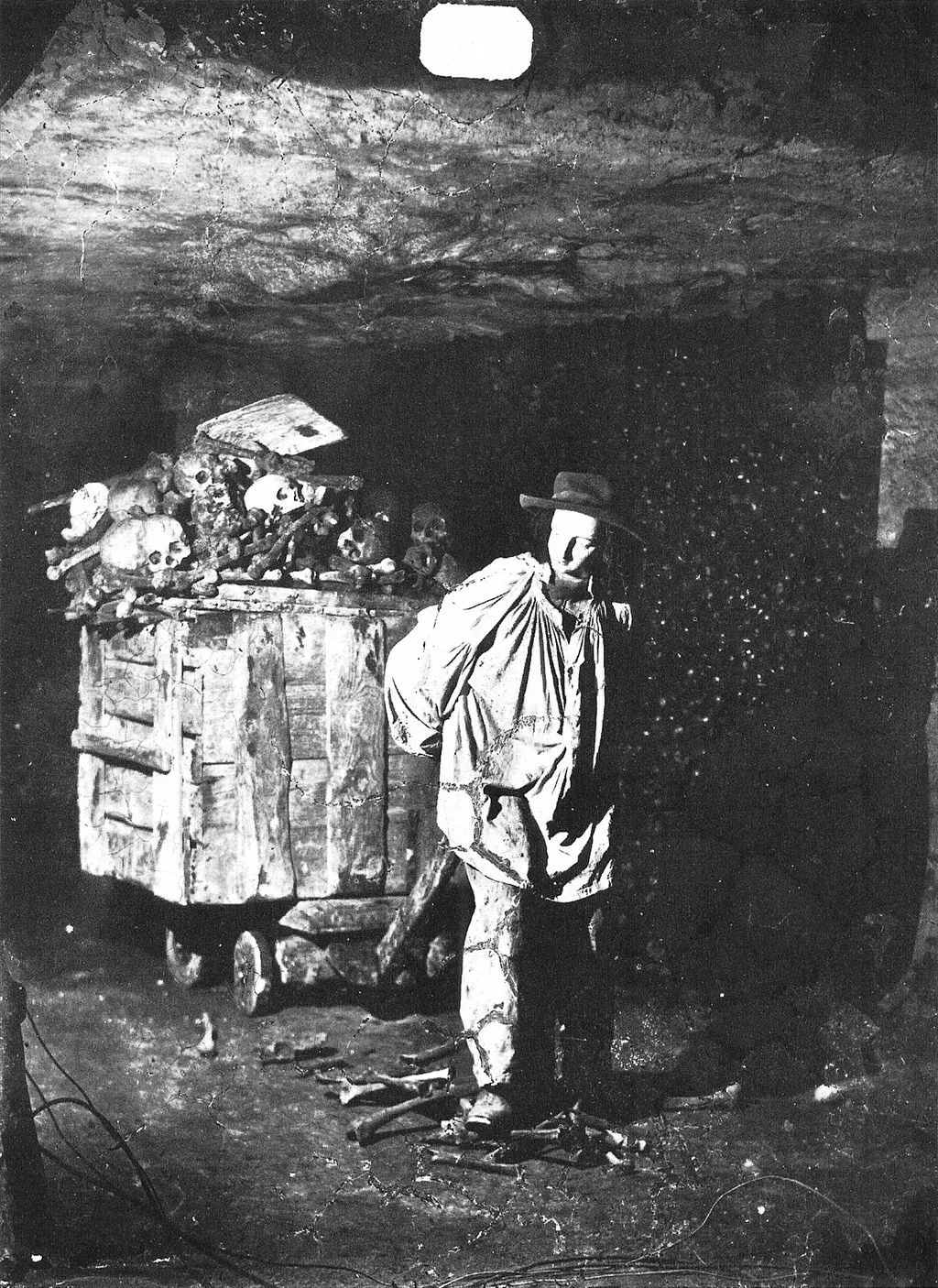

The SS Ayrfield, Australia
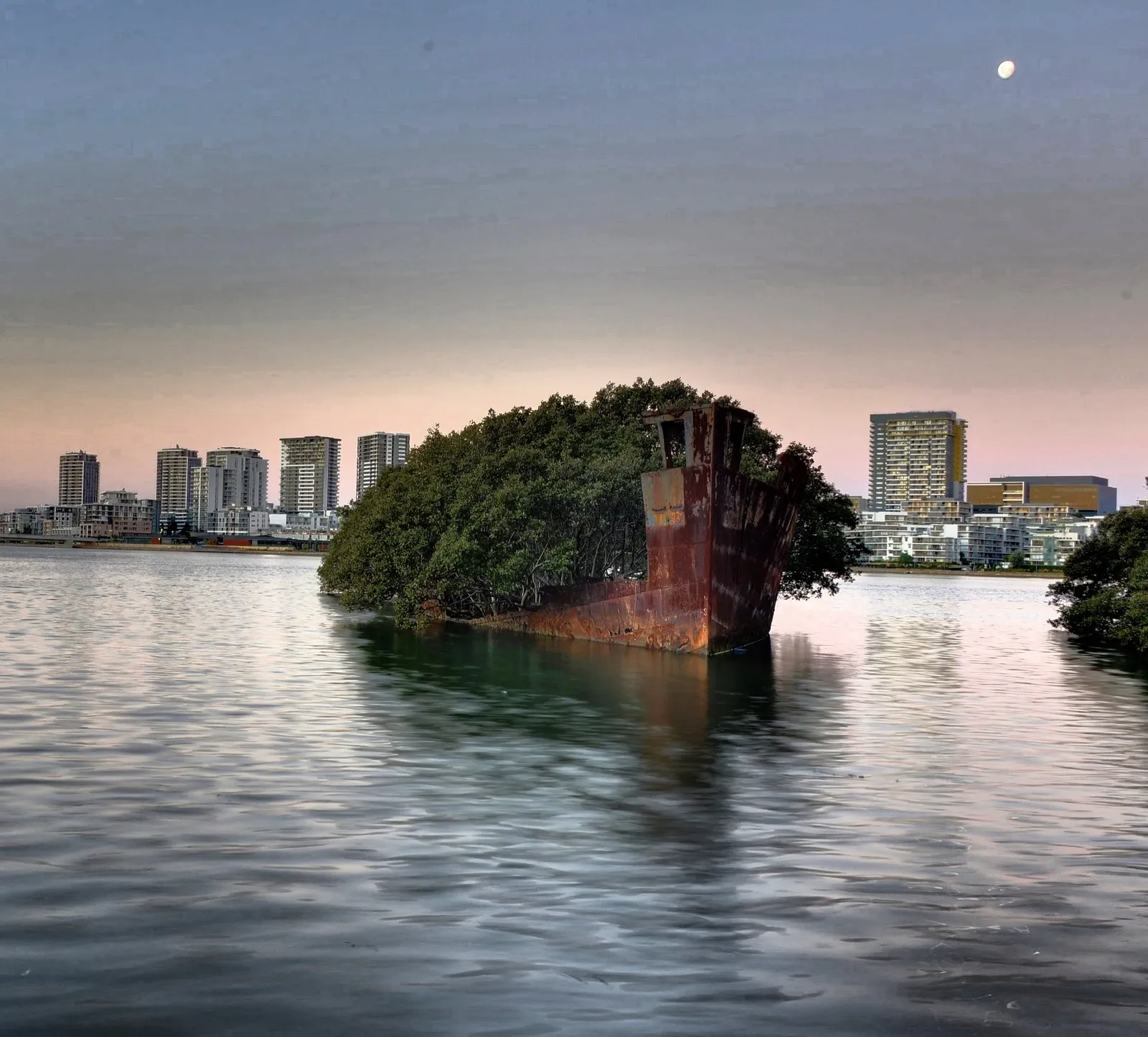
Built in the United Kingdom in 1911, the SS Ayrfield served as a steam-collier for a six decades. The ship transported coal, oil, and supplies during during World War II. But after being decommissioned in 1972, it became abandoned in Homebush Bay near Sydney, Australia. For a few decades, the bay was used for various ship-breaking operations and commercial trading. However, these activities petered out in the 70s, leaving behind nothing but toxic waste and abandoned ships. Today, countless wrecked hulls still litter the water of what is now often called Shipwreck Bay. The SS Ayrfield is the most prominent among them. Today, nature has reclaimed what is left of the wreck. Trees are leading a successful mutiny on the rusting ship's deck.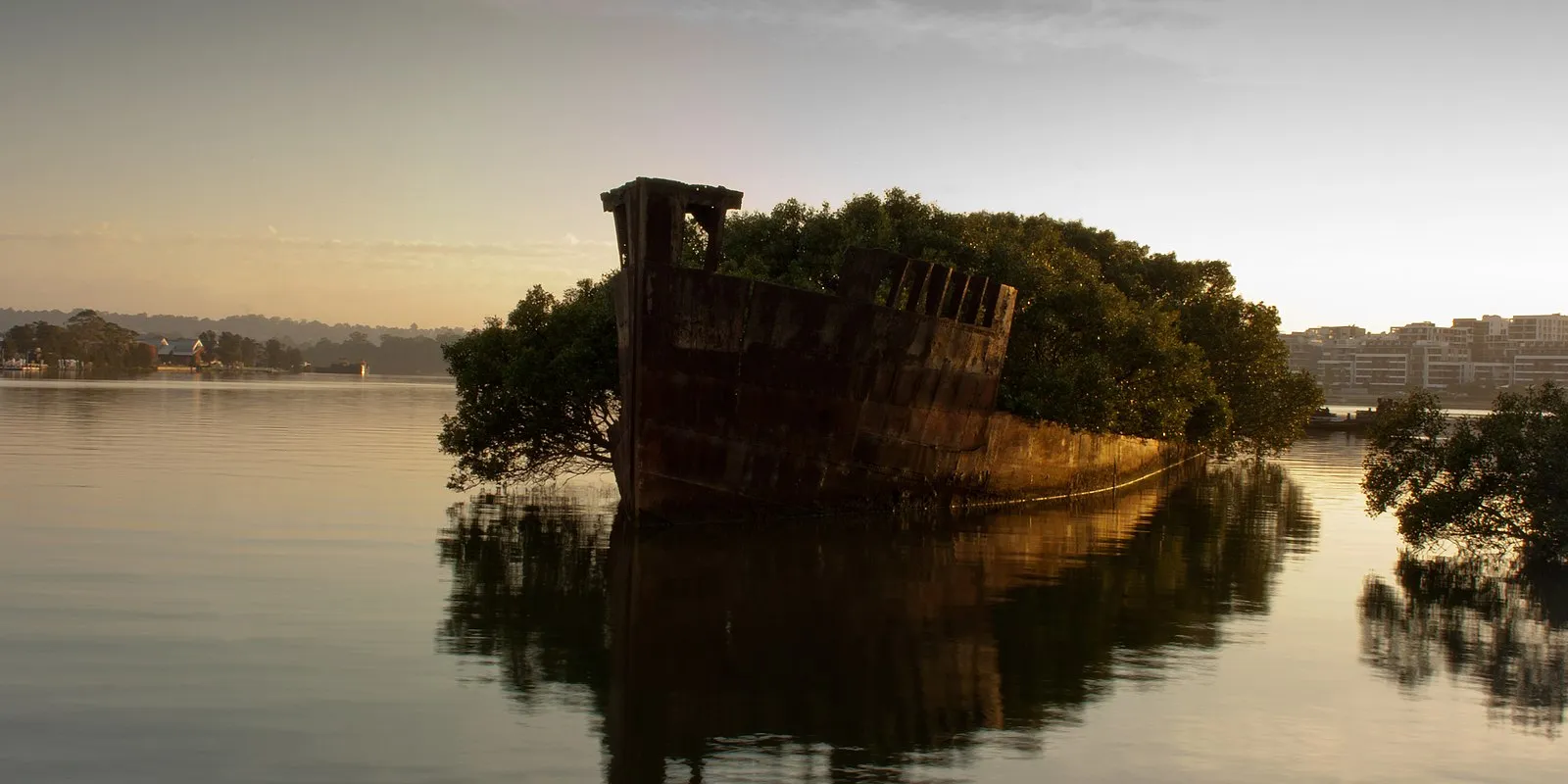
Campanile Di Curon, Italy
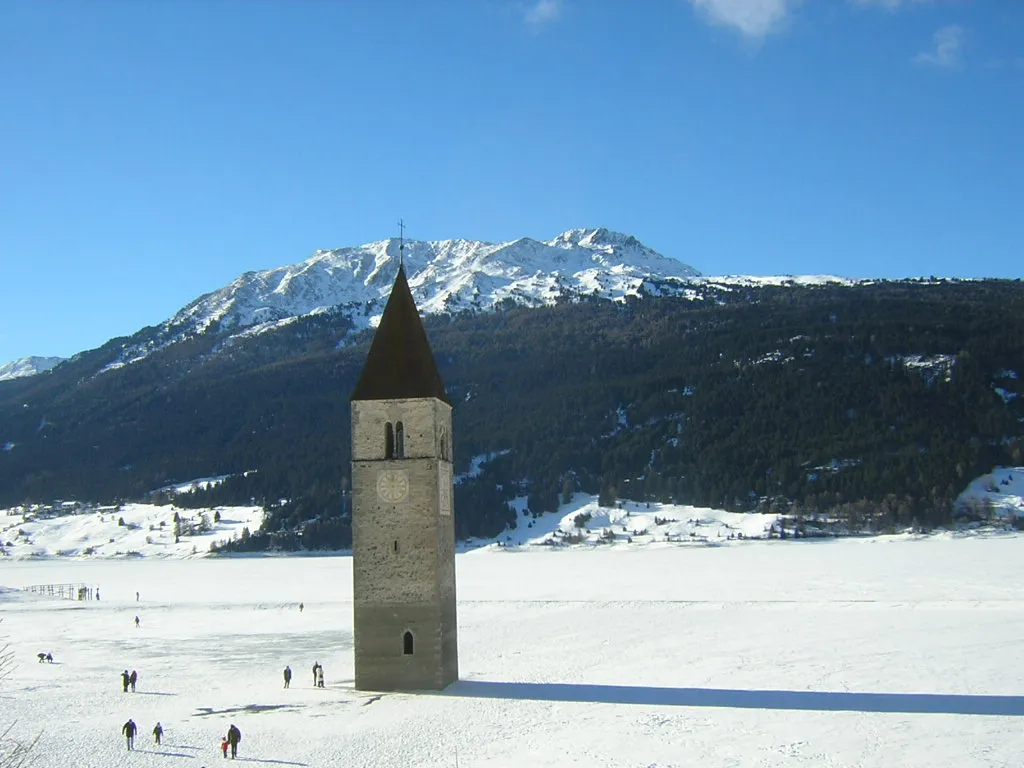
For centuries, the small town of Curon Venosta lay nestled in a valley in the Italian Alps. Today, only the bell tower of this abandoned settlement remains, protruding from the waters of an artificial lake. After World War II, authorities decided to merge three smaller existing lakes for hydropower purposes in the Trentino region of Northern Italy. The ancient town of Curon Venosta had to go. Much of the town was rebuilt on higher ground on a nearby hill. The bell tower of the local church, built 700 years before, remained. To this day, it stands as a lone reminder of the town that once was. In winter, the lake usually freezes over. During this time, visitors can walk up to the tower and explore it. According to local legend, some nights the tower's bells still ring out over the lake - even though they were removed before the town was flooded.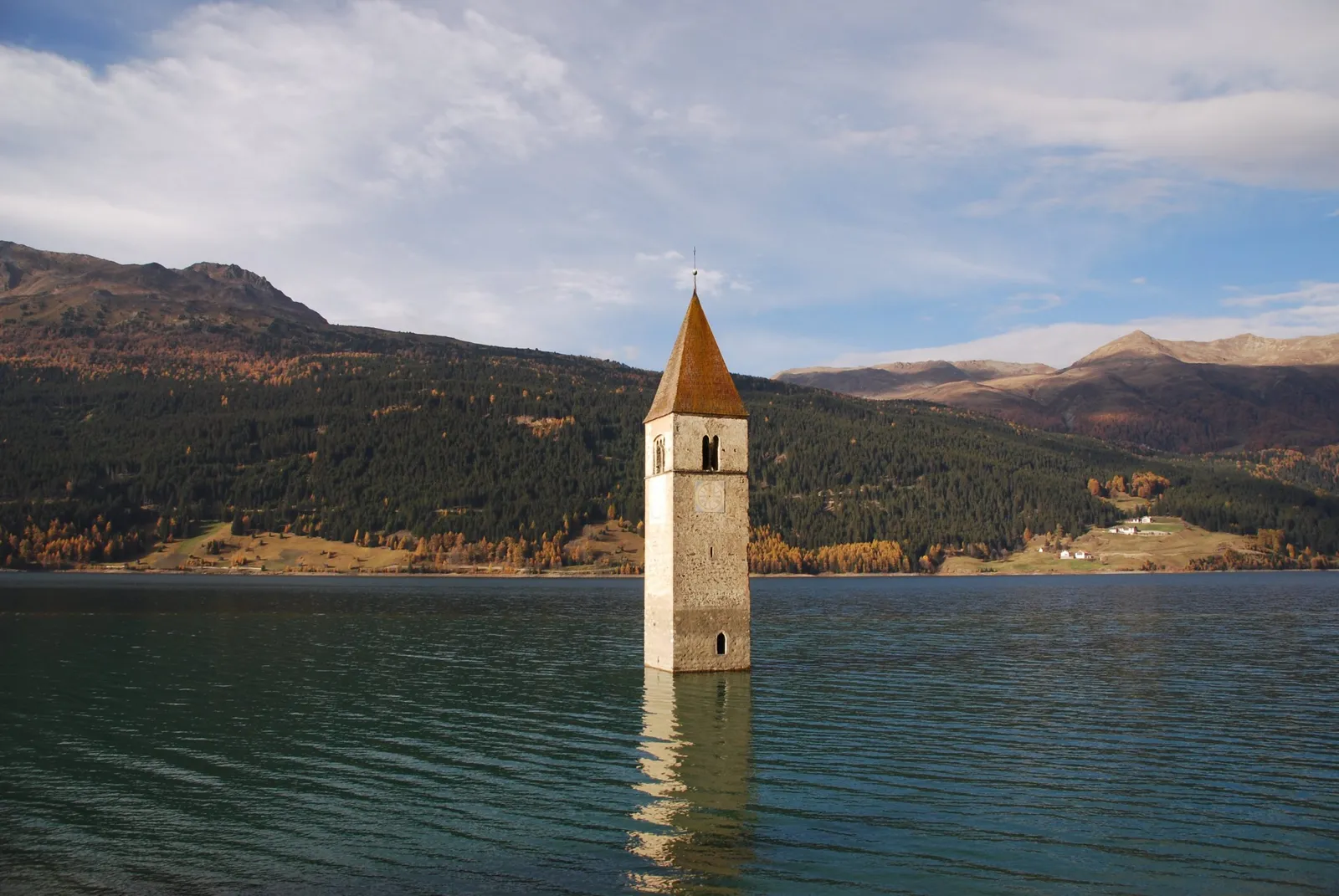
The Great Train Graveyard, Bolivia
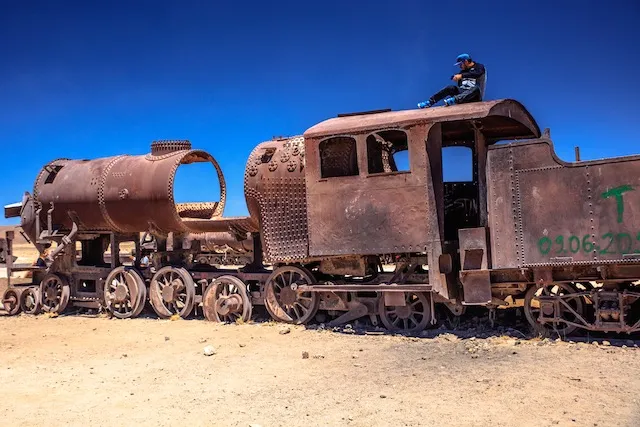
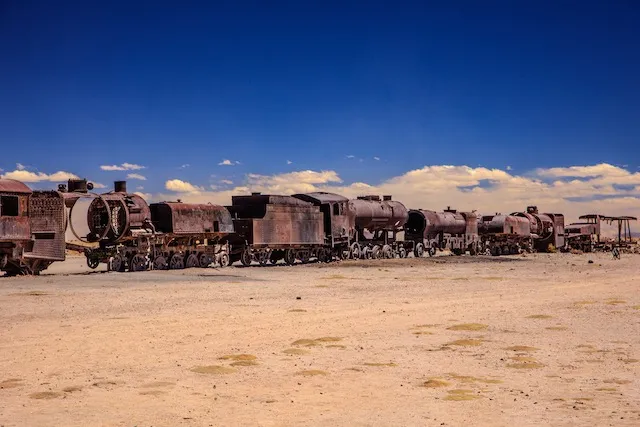
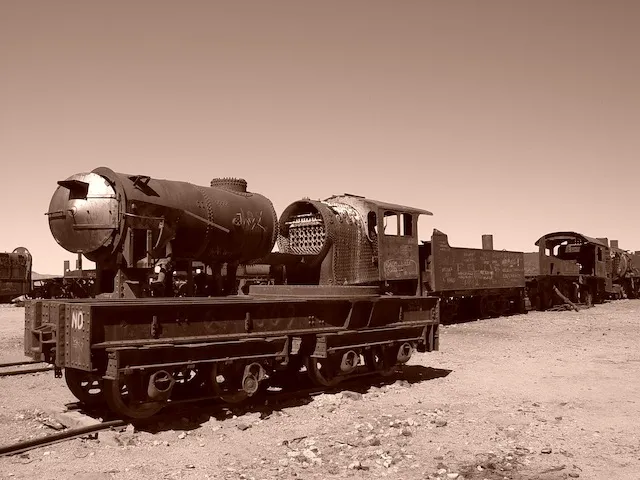
The Bolivian region of Uyuni is famous amongst travellers for the salt flats and red lakes that stretch into the distance. A more creepy, yet awe-inspiring tourist attraction, though, is its cemetary of abandoned trains. High up on these Andean plains, dozens of steel locomotives are slowly fading away. Back in the 19th century, local officials were planning to enlarge the region's transportation network - especially by extending the rail system. However, they abandoned the project because of technical issues, and conflicts with Uyuni's indigenous population. For some time, the trains that had been bought were used to transport minerals and other products to ports along the Pacific coast. This use ended in the 1940s, though. As miners moved away and companies shut their offices, equipment was left to corrode away in the desert. Most of the trains to be found in this graveyard were imported from Britain in the early 1900s. Overall, there are over 100 antique cars left to the salty winds. Tourists face no restrictions when visiting the site, and many climb atop the trains or climb inside the skeletons of these once mighty steel giants.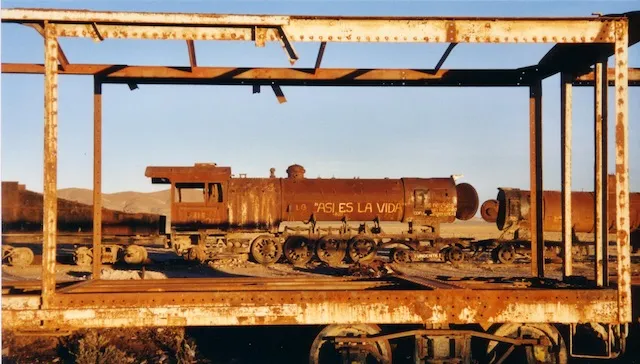
Klein Curaçao, Curaçao
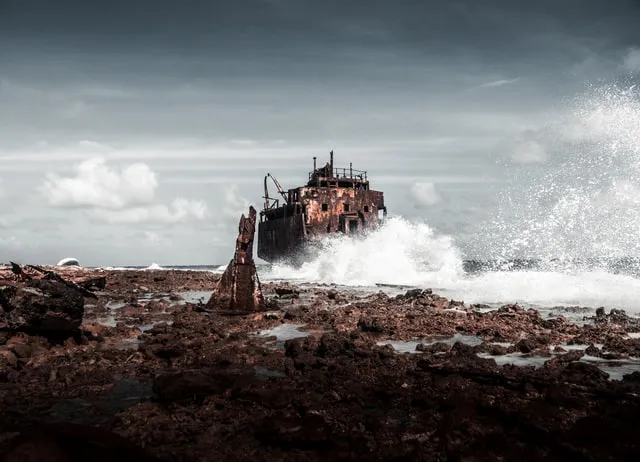
Klein Curaçao is a tiny, abandoned island in the Dutch Caribbean, covering just over half a square mile. The island lies about 6 miles south-east of the main island of Curaçao. Though just off the coast of Venezuela, both belong to the Kingdom of the Netherlands. Klein Curaçao is a coral island - there is no drinking water. Phosphate mining lowered the elevation of the island and contributed to desertification, leading to its abandonment. At its center remains an old lighthouse. There are ruins of fishermen’s huts and other buildings, as well as shipwrecks on its western side. Besides the fascination of abandoned places, Klein Curaçao offers stunning natural beauty. Several species of turtle nest on the island’s beaches. Seasonally, there are large numbers of migratory shorebirds. Plus, you can explore underwater coral and caves.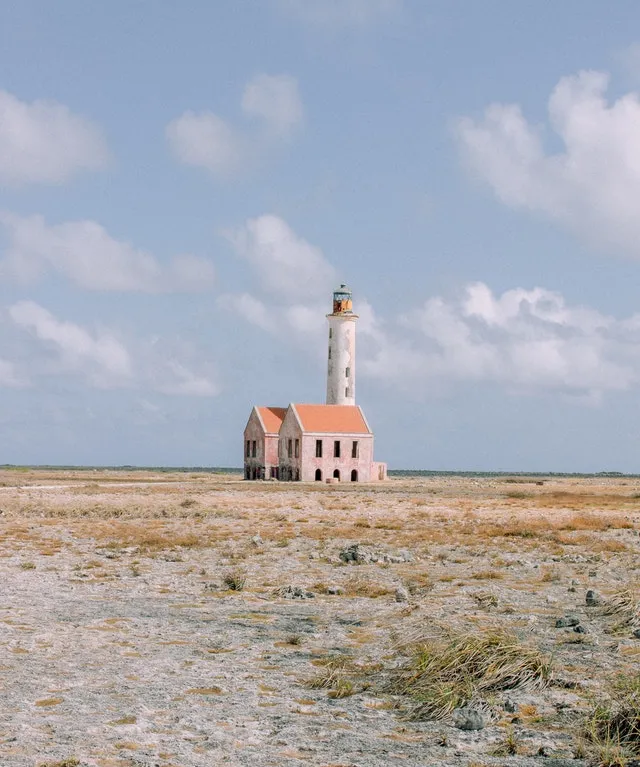
Hirta, St Kilda Archipelago, Scotland
Hirta is the main island of the St Kilda archipelago in the North Atlantic, 40 miles west of the Outer Hebrides in Scotland. It’s also the only one that was permanently settled - formerly. Geologically, the St Kilda islands form the rim of an extinct volcano. Hirta features lush green hills, puffin colonies, and rare breeds of sheep, such as the Soay sheep (a surviving Neolithic breed) and Boreray sheep (the UK’s rarest breed). Settlements on the island date back thousands of years. Archaeologists dated some of the artifacts on the island all the way back to 3850 BC. One of the mountains on the island also contains a Bronze Age quarry. People lived off sheep farming, tweed production, fishery and hunting puffins for millennia. Yet the island was abandoned in 1930. They left the island after many young men died in World War One, and many others emigrated to Australia. After a woman had died of appendicitis and pneumonia, which she might well have survived on the mainland, the remaining villagers asked the UK government to transfer them to the mainland. When leaving their cottages, every islander left a plate of oats and an open Bible on their table before boarding the ship. Note: This post was originally compiled in 2009 and has since been updated repeatedly with additional background information, new statistics, and relevant links.Frequently Asked Questions
What is the most famous abandoned city in the world?
Can you visit Pripyat in 2026?
How long has the Centralia mine fire been burning?
Is Hashima Island the same as Gunkanjima?
What abandoned places have been featured in movies?
Are tours of abandoned places safe?
Which abandoned city is being rebuilt?
What is the largest abandoned city in the world?
Why do cities get abandoned?
Join the DirJournal newsletter
Weekly insights on directories, listings, SEO, and how businesses get found online.
No spam. Unsubscribe anytime.
Found this useful?
Share this article
Related Resources
Looking for verified service providers? Browse our directory categories below — all human-audited and trusted by decision-makers since 2007.