Independent. Human-Curated. Established 2007.
Understanding Image Copyrights and Creative Commons (2026)
DirJournal Contributing Author. Editorial-team verified.
Key Topics in This Guide
- 1LEGAL COPYRIGHT AGREEMENTS — covered in detail below
- 2REQUIREMENT to NOTIFY — covered in detail below
- 3COPYRIGHT ATTRIBUTION — covered in detail below
- 4COMMERCIAL USE — covered in detail below
- 5BUSINESS and INTERNET LAW: — covered in detail below
LEGAL COPYRIGHT AGREEMENTS
If you have ever gone to any of the popular stock photo sites or even Flickr you have been confronted with legal agreements related to the copyrights on images that I am willing to bet very few people understand.If you just want a working shortlist of trusted sources without decoding license fine print, our roundup of the best free stock images curates sites by license clarity and image quality.
Bloggers and most likely photographers and graphic artists new to sharing their work are not experts on copyrights or the law, but these sites are filled with so much industry jargon most have little chance of knowing for sure they are doing what is legal. These sites really need to explain copyright in a much simpler manner so that anyone can understand which uses are permitted.
While some may take the time to try to read pages of terms and conditions - they mean little to nothing to the average person.
REQUIREMENT to NOTIFY
Even the parts that are logical do not provide enough information. For example, see this notice:Standard restrictions apply and APatterson must be notified when using the photo for any public work.Fair enough, but notified HOW? If you are going to say you want notified couldn't you tell people HOW to notify you? Do you want an email message or is a trackback from a blog post enough? Graphic artists and photographers should understand that we need to know whether they are asking to be notified BEFORE an image is published (which would be more accurately described as permission) or you just want to be sent a link or sample after the fact.
COPYRIGHT ATTRIBUTION
One of the reasons it is so confusing to use images is the "flexible" ways they can "be implemented in any reasonable manner". Take this information for example:Reasonable to whom and who gets to decide? Most sites today probably use the Creative Commons licenses and anyone CAN find descriptions of them, but UNDERSTANDING what they mean is a another thing altogether.CC licenses have a sophisticated and flexible attribution requirement, so there is not necessarily one correct way to provide attribution. The proper method for giving credit will depend on the medium and means you are using, and may be implemented in any reasonable manner, although in the case of an adaptation or collection the credit needs to be as prominent as credits for other contributors. The CC website offers some best practices to help you attribute works, and the CC Australia team has developed a helpful guide to attributing works in different formats.
COMMERCIAL USE
Free for non-commercial use is the area with the most gray for the majority of bloggers because many of them earn a tiny amount of money from their blog - or may earn nothing but have a single affiliate link that COULD be considered commercial use. While the Creative Commons page on Defining Commercial Use are anything but clear. Does the presence of any one thing that MIGHT make a blogger money but in all likelihood never will mean they should avoid using images from these types of sites? These two examples taken from that page could be taken either way:"Both creators and users generally consider uses that earn users money or involve online advertising to be commercial." "Users who make money from their uses of others’ works"The first makes it sound like most blogs ARE commercial because they might "earn users money" while the second sounds more like the IMAGE is making money rather than the blog. There is no obvious place to draw the line on non-commercial use. Take these examples:
- If a blog has 125x125 ad blocks but they have never sold any and only use them to display the blogs of friends - but one time one of those other blogs is promoting an affiliate product does that mean this blog is commercial now?
- What if a blog does not make money and is not monetized, but the blog links to a company Website for the same owner? Is THAT commercial use? The blog where the images appear could be on a different domain and not intended to make money.
- If the blog you use the image in has a business on the same domain - or an entirely different domain - and you sometimes link to it bloggers would likely consider that NOT commercial but there is no telling what the law would think.
We have to weigh the benefit of having what you create go viral and be seen by many against the desire to control and sell your creatives for profit.
Even among bloggers there is no consensus. There is likely even less agreement between image copyright holders and those who wish to feature their images. It is likely to be a long time before case law catches up with common practices - and even then laws are one thing and enforcement much more challenging.
What do you think? Should sharing freely be encouraged or should everyone have to pay for anything they ever use? Tell us in the comments. We want to hear from you!
BUSINESS and INTERNET LAW:
Need to know for sure what is legal and what is not? Check out the listings in these categories.
Frequently Asked Questions
What is Creative Commons?
Can I use Creative Commons images for commercial use?
Are AI-generated images copyright free?
Join the DirJournal newsletter
Weekly insights on directories, listings, SEO, and how businesses get found online.
No spam. Unsubscribe anytime.
Found this useful?
Share this article
Recommended for You
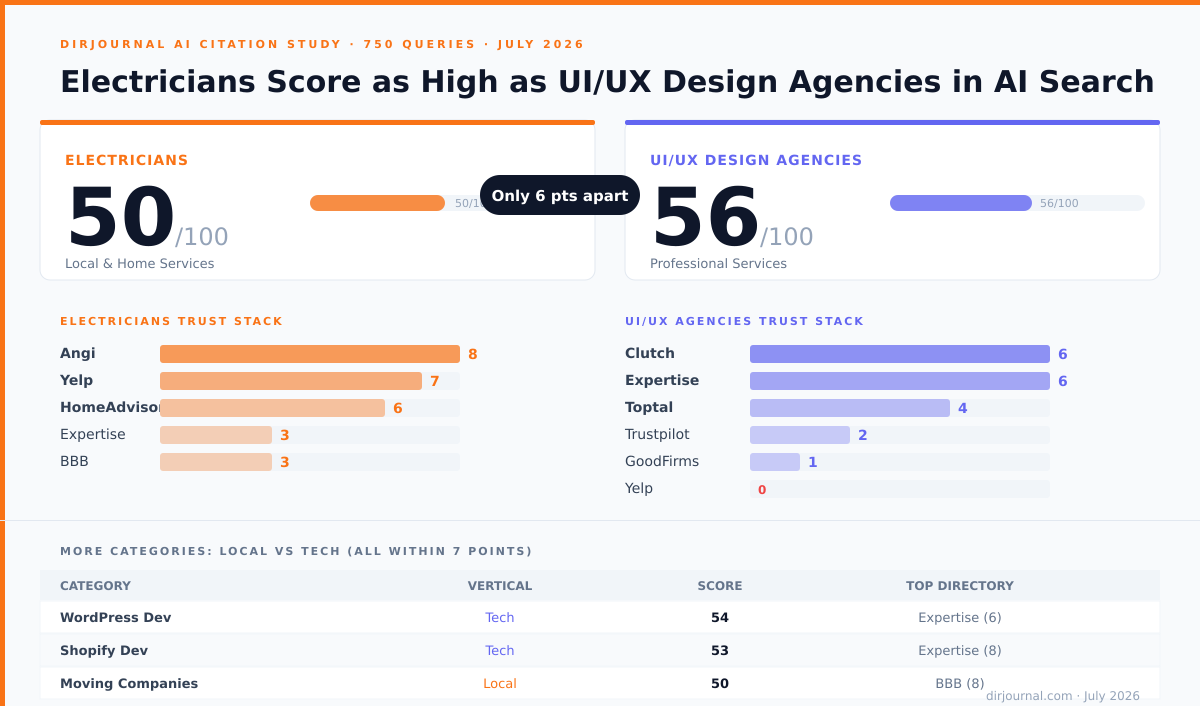
Electricians Score as High as UI/UX Design Agencies in AI Search. Here's Why.
Electricians scored 50/100 in our AI Citation Study. UI/UX Design Agencies scored 56. Six points…
The Design Behind 10 of the World's Most Recognizable National Flags
What do the colours and symbols on five iconic national flags actually mean? A look at the history,…
Related Resources
Looking for verified service providers? Browse our directory categories below — all human-audited and trusted by decision-makers since 2007.